Cooking Class Milan: Formats, Prices And How To Choose
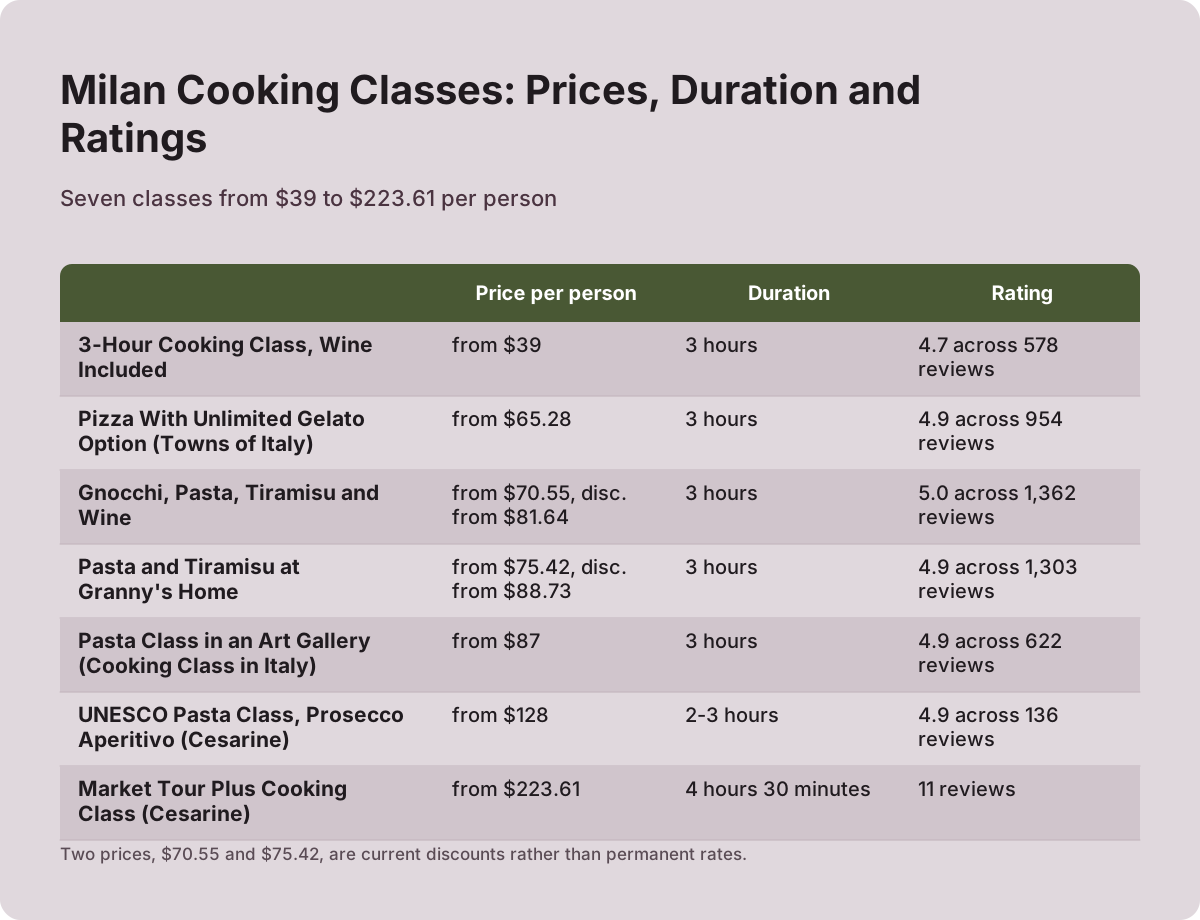
Milan's cooking classes run from a $39 three-hour session with wine to a $223.61 half-day that starts at a market stall. The gap is real and mostly explained by format, so here is what each of the seven main products actually includes.
Short answer
Choose by menu and setting: gnocchi/pasta/tiramisu in a school, pasta and tiramisu in a home, hands-on pizza with a gelato demonstration, or a longer market-and-cooking experience. Check the current total for your date; prices and cancellation terms vary by option.
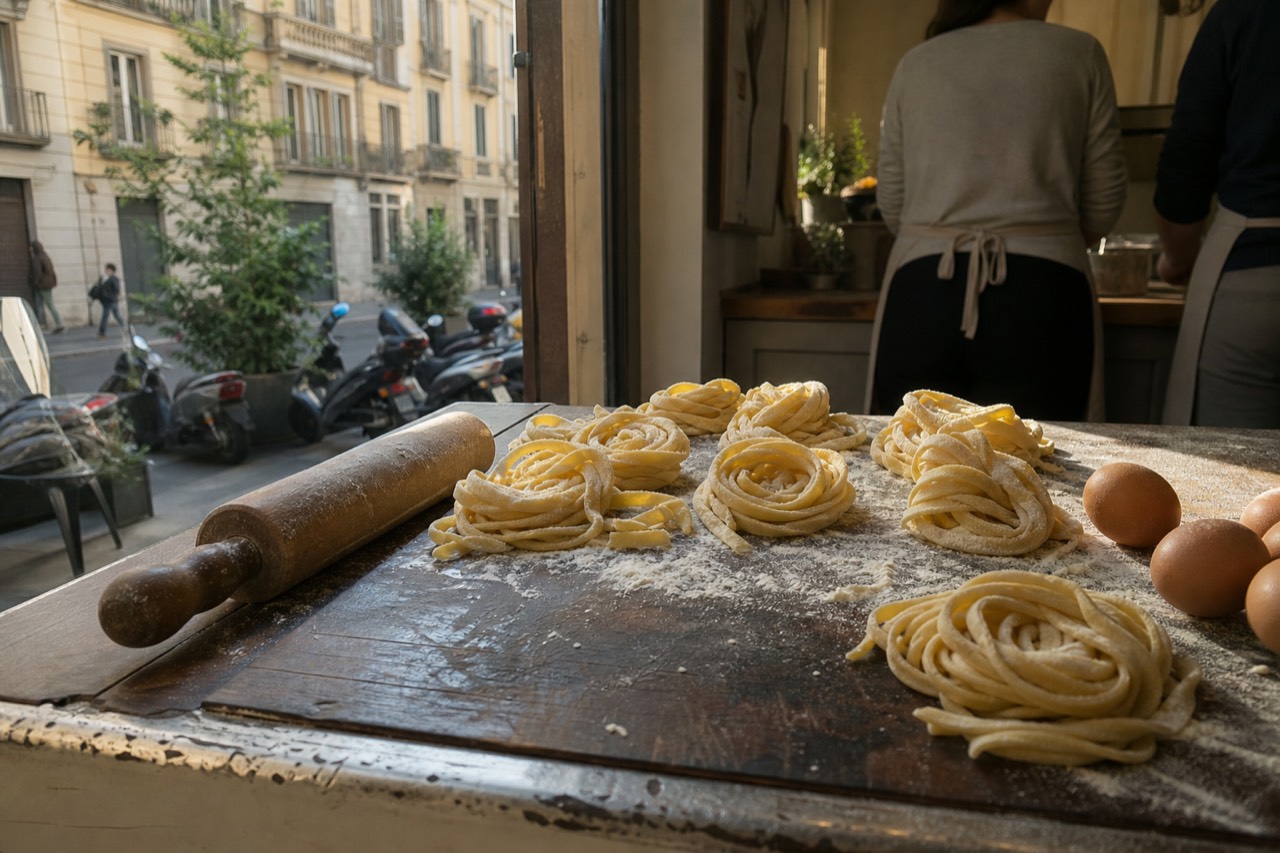
Fresh pasta, a rolling pin and a glass of red is the promise, but the seven cooking class products sold in Milan differ more than their photos suggest. One is a $39 three-hour session in a street-level cooking school near Porta Venezia. Another is a $223.61 half-day that begins at a market stall and ends at a private dining table. Two of the seven sit on timed discounts right now, and one meets at a home address the host only reveals after you book.
This guide compares all seven by the things that actually decide the experience: price, duration, what you cook, whether wine is included, whether a market visit is attached, and where each class meets. Prices are the ones the operators publish, and the surrounding context comes from Milan's cooking schools and the rules that govern home dining in Italy. It is the same comparison-first approach Milan Food Tours applies across every food category in the city.
What Are The Best Cooking Classes In Milan?
The best cooking class in Milan depends on format, not on a single winner: a three-hour pasta and tiramisu session with wine included is the sweet spot for most visitors, a market-to-table class suits travellers who want the full arc from stall to plate, and a pizza-and-gelato class is the reliable pick for families and jet-lagged first afternoons. Milan's class scene is unusually legible because almost every product clusters around three hours, one menu and one price band. The differences that matter are the setting, the group size and whether anyone pours you wine while you knead.
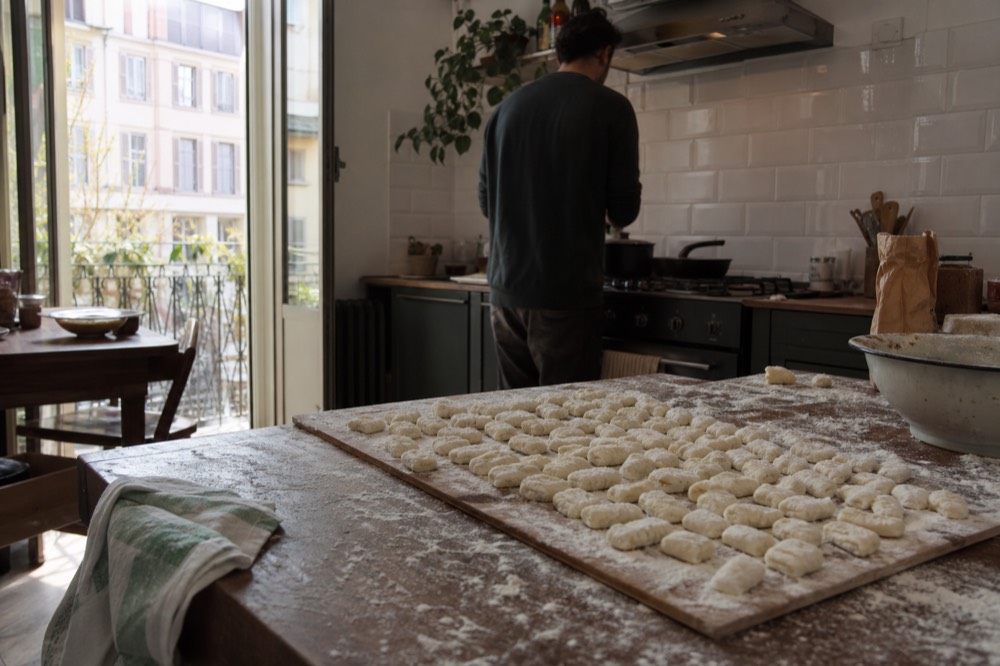
The Gnocchi, Pasta, Tiramisu and Wine class by Chef in Milan is the closest thing the city has to a default choice: three hours, from $70.55 per person, rated a perfect 5.0 across 1,362 reviews, meeting at Via Cerano 12 in the Navigli-side neighbourhood. It covers the full Milanese trinity, gnocchi, fresh pasta and tiramisu, with wine poured during the session. That combination of a perfect rating, a four-figure review count and a mid-range price is hard to beat on paper.
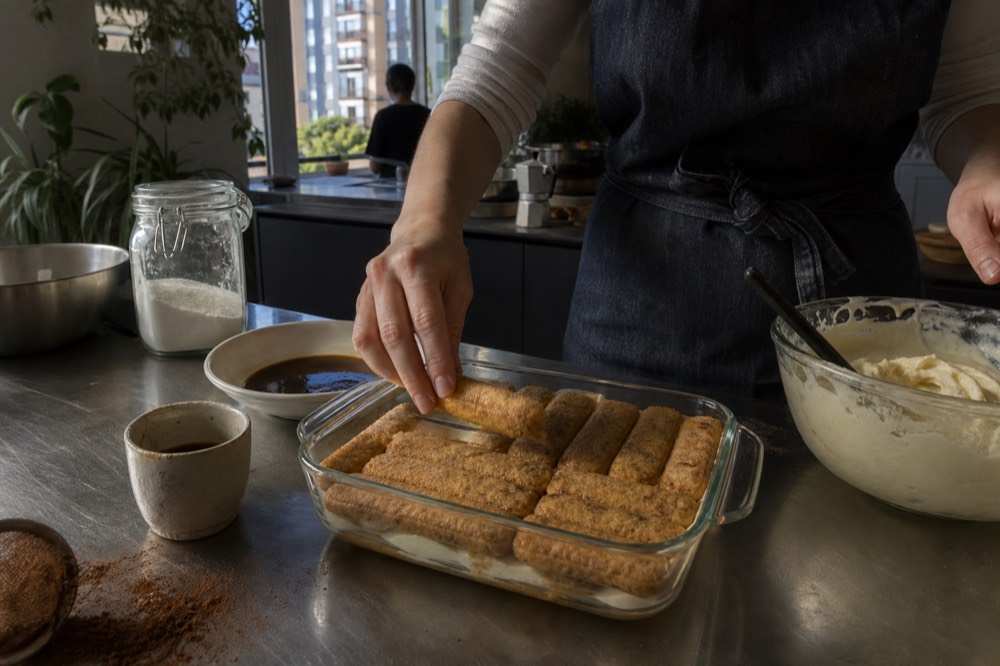
If you want the same menu in a home rather than a school, the Authentic Pasta and Tiramisu class hosted by Bruna Evangelisti runs from $75.42 for three hours at Viale Giuseppe Dezza 47, rated 4.9 across 1,303 reviews. The trade is intimacy against polish: a home kitchen, a grandmother's recipes, and a host address that operates like a dinner party rather than a classroom.
For a first afternoon in Milan specifically, when jet lag makes a 6 pm start feel like midnight, the short, central and cheap options win. The Milan: Italian Cooking Class with Food and Wine by Chef and the City costs from $39 per person, runs three hours, is rated 4.7 across 578 reviews, and meets at a street-level shop on Via Laura Ciceri Visconti, easy to reach and easy to leave early from if energy runs out. Nobody's holiday has ever been ruined by a $39 class; the same cannot be said for a $223.61 one booked on the wrong day.
How Much Does A Cooking Class In Milan Cost?
Milan cooking classes cost between $39 and $223.61 per person: the three-hour school and home classes cluster between $65 and $90, the premium tasting-school sessions run $87 to $116, and the Cesarine home experiences with market visits top the ladder at $128 to $223.61. That spread is one of the widest of any food category in the city, and it maps cleanly onto what is included. Here is the full ladder.
| Class | Price per person | Duration | Setting | What to check |
|---|---|---|---|---|
| Chef and the City Italian Cooking Class | Check current date | About 3 hours | Cooking shop | Current menu and wine inclusions |
| Towns of Italy Pizza Class | Check current date | About 3 hours | Mercato Centrale school | Pizza hands-on; gelato demonstration option |
| Chef in Milan Gnocchi, Pasta and Tiramisu | Check current date | About 3 hours | Cooking school | Dietary options and exact departure |
| Pasta and Tiramisu at Granny’s Home | Check current date | About 3 hours | Home kitchen | Host instructions and meeting details |
| Home Pasta and Tiramisu Class | Check current date | About 3 hours | Private home | Requested gluten-free adaptation |
| Cesarine Pasta and Tiramisu Class | Check current date | About 3 hours | Home kitchen | Current menu and aperitivo inclusions |
| Cesarine Market Tour Plus Cooking Class | Check current date | About 4.5 hours | Market and home | Meeting point and dietary requirements |
Two prices in that table are discounts, the $70.55 and the $75.42, and both are framed by their listings as current rather than permanent. Treat them as today's price, not the price. The rest are stable from-prices.
For outside context, the city's cooking schools publish their own 2026 rates and they sit in the same band. Eataly Milano Smeraldo lists single-meeting classes at €70 each, with some at €75 to €90 and a couples ravioli class at €160, on its own courses page. An independent analysis of 174 Milan cooking classes reports an average price of $162 for a typical three-hour session, which is pulled upward by private and market-inclusive formats. Against that average, every class on the ladder above except the Cesarine market tour is below the market mean.
The three classes above are the natural shortlist: the top-rated all-rounder, the home-kitchen twin, and the budget session that still pours wine. Between them they cover $39 to $75.42 and three different settings, a professional school, a private home and a neighbourhood shop.
Three-Hour Class Or Market-To-Table: Which Format Is Right?
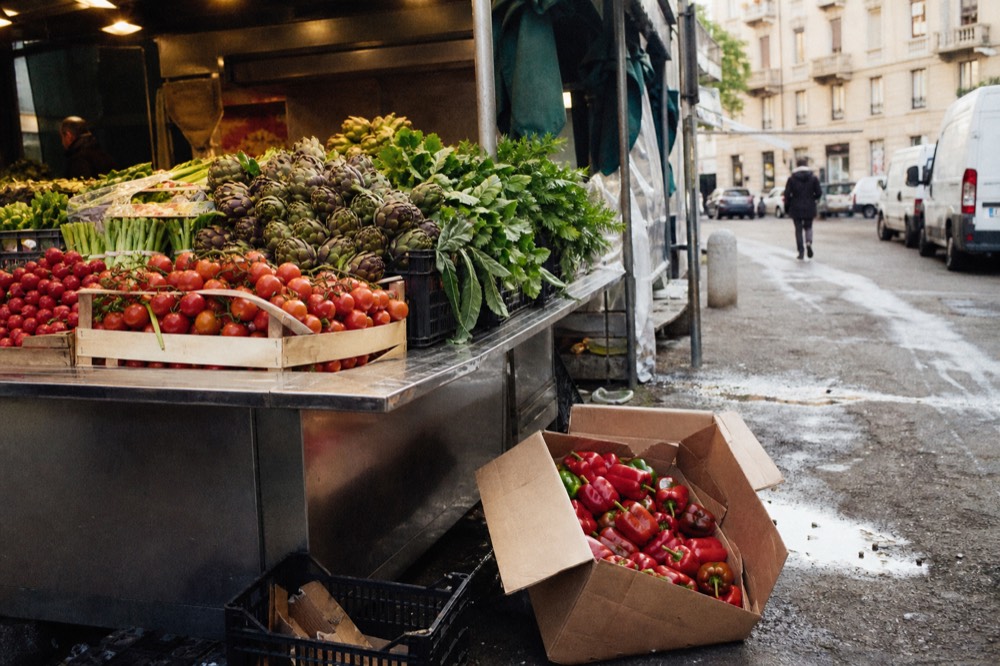
Choose the three-hour class if you want a fixed, reliable evening with wine and a full meal; choose the market-to-table format if you have a free morning, care where your ingredients come from, and accept a higher price and a longer commitment of up to four hours and thirty minutes. The difference is not just duration, it is the whole arc of the experience. A three-hour class hands you ingredients that are already bought; a market-to-table class makes you part of the shopping, which in Milan means a covered market or a neighbourhood street market and a host who explains what to look for.
The Cesarine Market Tour and Cooking Class at a local's home is the purest version: four hours and thirty minutes, from $223.61 per person, with the market visit and the cooking class run as one continuous experience in a Milanese home. It has 11 reviews, a count we state plainly because it is too few for a meaningful star claim; this is a product you book for the format, not for a review consensus. Its sibling, the UNESCO Heritage Pasta and Tiramisu class by Cesarine, skips the market and costs from $128 for two to three hours, rated 4.9 across 136 reviews, and opens with a Prosecco aperitivo.
The market-to-table premium is therefore the full gap between the two Cesarine prices, from $128 to $223.61, and what it buys is the market walk, the extra time and the shopping education. Whether that is worth it depends entirely on your schedule. On a two-night city break, the three-hour class is almost always the better use of an evening. On a fourth or fifth day in Milan, the market version is the one people remember.
A practical note on jet lag, since it decides more first-day bookings than any review score: a class that starts at 6 or 7 pm can be tiring after an overnight flight from New York, even though New York is behind Milan on the clock. The Pizza With Unlimited Gelato class by Towns of Italy is the format that survives this best. It runs three hours from $65.28, rated 4.9 across 954 reviews, meets inside Mercato Centrale at Via Giovanni Battista Sammartini 1, first floor, next to Milano Centrale station, and you should check the current departure for your date. Pizza dough is forgiving, gelato is a reward, and the station location puts a train home right outside the exit.
What Do You Actually Cook, And Is Wine Included?
Menus vary: some classes teach pasta and tiramisu, others focus on gnocchi, pizza, risotto or a regional dish. Check the selected option for the exact menu and wine inclusions. The menu is less variable than the setting. If you book a pasta class in Milan you will make egg dough, roll or extrude it, shape it into something recognisable, and assemble a tiramisu while it rests. That is the contract, and it is a good one.
| Class | What you cook | Format | Meeting point |
|---|---|---|---|
| Gnocchi, Pasta, Tiramisu and Wine | Gnocchi, fresh pasta, tiramisu | Cooking school | Via Cerano 12 |
| Pasta and Tiramisu at Granny's Home | Fresh pasta, tiramisu | Private home kitchen | V. Giuseppe Dezza 47 |
| Pizza With Unlimited Gelato Option | Hands-on pizza and a chef-led gelato demonstration; separate pasta/tiramisu option | Market food hall school | Mercato Centrale, Via Sammartini 1 |
| 3-Hour Cooking Class, Wine Included | Italian dishes with paired wine | Neighbourhood cooking shop | Via Laura Ciceri Visconti |
| Home Pasta and Tiramisu Class | Fresh pasta and tiramisu | Private home | Confirm the address on your booking |
| UNESCO Pasta Class, Prosecco Aperitivo | Pasta, tiramisu | Cesarine home | Address sent after booking |
| Market Tour Plus Cooking Class | Market shopping then a cooked meal | Market plus home | Meeting point in Milan, then home |
The Gnocchi, Pasta, Tiramisu and Wine class explicitly teaches all three dishes in one session. The separate Fresh Pasta and Tiramisu Class in a Home focuses on pasta and tiramisu in a residential setting. Compare the menus and setting rather than assuming that a review count or promotional badge predicts availability.
Wine deserves its own word because it changes the rhythm of a class. Where wine is included during the cooking, the three hours feel like a long dinner party with interruptions for kneading. Where it arrives only with the meal, the class is more instructional and the social part is compressed into the last forty minutes. Both work; know which you are booking. The listing details state clearly which is which, and the table above reflects what each operator publishes.
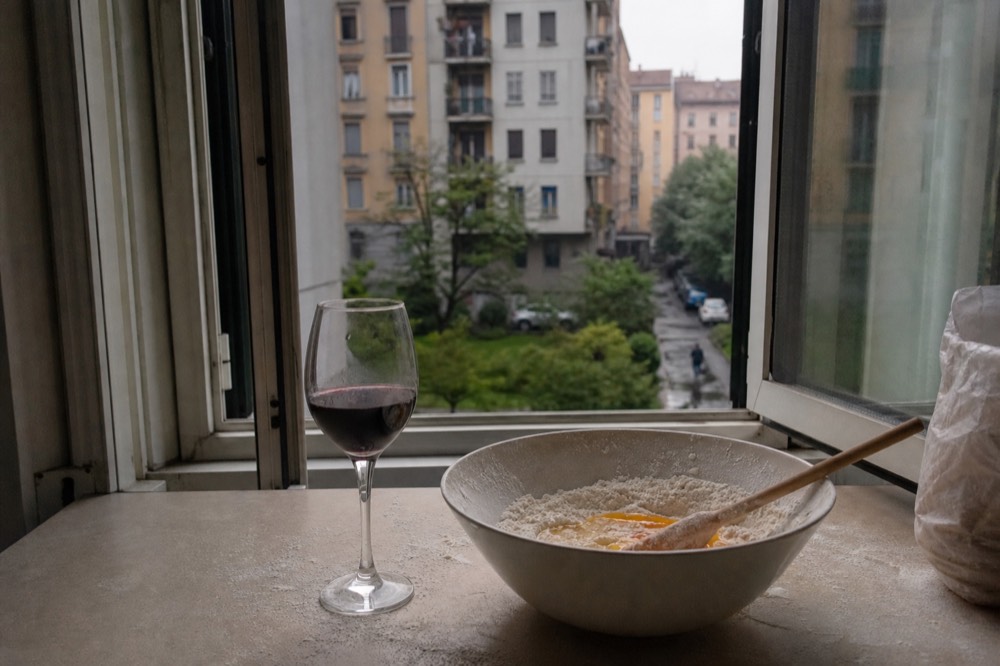
Why Do Some Classes Only Send The Address After Booking?
Two of the seven classes, both Cesarine home experiences plus one independent home dinner, do not publish a meeting address because they take place in private homes, and the host's address is sent only after booking, which is a standard privacy model in Italy rather than a red flag. Home dining in Milan operates under a specific set of rules that make this normal. Hosts who run paid food events at home are expected to hold HACCP food-safety certification and food-handler training, and in some communes to file a SCIA declaration, with community membership for the Cesarine network running €35 to €70 per year after the first, per the network's own host information page.
What this means for you as a booker is simple: if a listing says the address comes after booking, that is the system working, not a scam. The address will be in Milan, it will be sent in time for you to plan the journey, and the class will happen in a real kitchen. What you give up is the ability to scout the location on a map before committing, and what you gain is that the host's home is not published to the entire internet.
The Natural Food and Wine in a Milanese Home dinner, from $94.65 for two hours, is the roster's one non-refundable product, the only listing among all seven without free cancellation, and it has 10 reviews, too few for a star claim. It is also the closest thing Milan sells to simply eating with a local family, with natural wine as the theme. Book it only when your plans are locked, and read the cancellation terms on the live listing before paying.
When Should You Book, And How Far Ahead?
Check your preferred class once your travel date is set. A small-group format does not establish that a date will sell out, and historical booking averages do not predict current availability. Read the cancellation deadline and payment terms for the option you select.
Cancellation terms vary by product and option. Check the exact deadline, local time zone and any non-refundable terms before paying; a cancellation policy does not make every booking risk-free.
How Does A Milan Class Compare With Cooking Classes Elsewhere In Italy?
A Milan cooking class costs roughly the same as a Florence or Rome equivalent at the school-taught level, from $39 to $90, but Milan is unusual in the depth of its home-dining tier, where Cesarine and independent hosts sell market-to-table experiences from $94.65 to $223.61 that most competitor cities do not match at the same scale. The city's class scene also benefits from Milan's position as Italy's business and design capital: the venues are professional, the schools are genuinely commercial operations rather than tourist theatre, and the food-hall locations like Mercato Centrale put classes next to twenty other food businesses.
The menu differences are regional and worth knowing before you book. A Milan class leans toward egg pasta, gnocchi, risotto-adjacent technique and tiramisu, because those are the city's traditions, and the panettone decree of 2005 defines what may legally be called panettone, a reminder that Milan takes its baking rules seriously. Italian cuisine as a whole was inscribed on UNESCO's Intangible Cultural Heritage list on 10 December 2025, the first entire national cuisine to receive the designation, which is the cultural tailwind behind every one of these classes.
If you are comparing a class against other food experiences in the city rather than against classes elsewhere, the honest framing is that a class is the only format where you leave with a skill. A food tour, like the walks compared in our guide to the best street food in Milan, shows you the city; a class shows you the technique. Many visitors do one of each on separate evenings.
Which Class For Families, Couples And Solo Travellers?
Families should default to the Pizza With Unlimited Gelato class at from $65.28, couples get the most from a home class with wine poured throughout, and solo travellers are best served by the highest-review-count school classes, where the group table guarantees company. Group composition is the invisible variable in class reviews. A pizza class full of children rates differently from a wine-forward evening class full of couples, even when the teaching is identical.
For couples, the Pasta and Tiramisu at Granny's Home class is the strongest pick: a home kitchen at Viale Giuseppe Dezza 47, a host who cooks like a grandmother because the format is literally that, and a shared table at the end. For solo travellers, the Gnocchi, Pasta, Tiramisu and Wine class at Via Cerano 12 is the safest bet, with 1,362 reviews behind it and a group format where nobody eats alone. For a solo traveller who wants depth over company, the Urban Cellar wine tasting or a patisserie walk, covered in our Milan wine tasting guide, pairs well with a class on a different evening.
Budget travellers are covered too, and better than they might expect. The $39 Chef and the City class is not a stripped-down product: it is three hours, wine included, 4.7 across 578 reviews, in a real cooking shop. The gap between the cheapest and the mid-market class is about $31, which is less than many visitors spend on a single restaurant dinner in Brera. Our piece on what a food experience should cost covers the same arithmetic for tours.
Practical Planning: Timing, Transport And What To Bring
Plan a Milan cooking class for an evening start, arrive by metro with a €2.20 single ticket valid 90 minutes, bring nothing except appetite and closed shoes, and never schedule a Last Supper visit for the same tight window, because its 15-minute slots require arrival 30 minutes early. The logistics of a Milan class are simple, but a few city-specific facts make them simpler still.
| Practical point | What to know |
|---|---|
| Best start time | Evening classes, typically 6-7 pm, matching Milan's late dinner culture |
| Getting there | ATM single ticket €2.20, valid 90 minutes; daily ticket €7.60 |
| Class length | 3 hours standard; 4 hours 30 minutes for market-to-table |
| Cancellation | Check the selected product and option’s current deadline and terms |
| What to bring | Nothing required; classes provide aprons and ingredients |
| Dietary needs | Check the live listing before booking; vegetarian is widely covered |
Every class meeting point on the ladder is inside Milan's transit network, and most are within a short metro ride of the Duomo. The Via Dezza 47 locations sit near the Coni Zugna stop on the blue line, the Mercato Centrale school sits above Centrale FS on lines M2 and M3, and Via Cerano 12 is in the western Navigli-side quarter. None require a car, which matters because driving into the centre on a weekday means the Area C charge, €7.50 for a standard vehicle per the city's own tariff, and considerably more for larger hire vehicles.
One scheduling trap worth naming: visitors often try to stack a cooking class and a Last Supper viewing into one afternoon. The Cenacolo Vinciano's own rules make this fragile, with a compulsory 30-minute-early arrival, a 15-minute slot and nominative tickets that cannot be changed or refunded. Give the fresco its own morning and the class its own evening.
The Short Version
If you want the numbers without the nuance: the Gnocchi, Pasta, Tiramisu and Wine class at from $70.55 is the best all-round booking in the city, the $39 Chef and the City class is the value pick, the Towns of Italy pizza class at from $65.28 is the family default, and the Cesarine products at from $128 and from $223.61 are the premium tier for travellers with a free morning. Book one to two months ahead, lean on the 24-hour free cancellation, and check the live listing for the current price, especially on the two discounted products.
Whatever you cook, you will leave Milan able to make pasta by hand, which is more than most souvenirs manage. Choose the format that matches your energy and your calendar, not the one with the best photo, and the class will do the rest.
Common Questions About Cooking Classes In Milan
What Are The Best Cooking Classes In Milan?
By format: the Gnocchi, Pasta, Tiramisu and Wine class (from $70.55, rated 5.0 across 1,362 reviews) is the best all-round school class; the Pasta and Tiramisu at Granny's Home class (from $75.42, rated 4.9 across 1,303 reviews) is the best home-kitchen option; the Towns of Italy pizza class (from $65.28, rated 4.9 across 954 reviews) is the best for families; and the Cesarine Market Tour Plus Cooking Class (from $223.61) is the best market-to-table experience.
How Much Does A Cooking Class In Milan Cost?
Between $39 and $223.61 per person. Standard three-hour classes with wine run $39 to $90, premium formats run $87 to $128, and the half-day Cesarine market tour costs from $223.61. Two listings carry timed discounts, so those prices are current rather than fixed.
Do Milan Cooking Classes Include Wine?
Yes, in six of the seven main classes. Most pour wine during the cooking session as well as with the meal; the Cesarine UNESCO class opens with a Prosecco aperitivo. Check the specific listing to see whether wine is served throughout or only at the table.
Why Is The Meeting Address Only Sent After Booking?
Home-based classes, including the Cesarine experiences, take place in private residences, so hosts send the address only to confirmed guests. It is a standard privacy practice in Italian home dining, not a warning sign. The address arrives in time to plan your journey.
How Far Ahead Should I Book A Milan Cooking Class?
Check the class when your travel date is set, especially if only one departure fits your plans. Availability varies; there is no reliable universal lead time. Read the exact cancellation deadline before booking.
Is A Cooking Class A Good First-Day Activity In Milan?
Only if it starts early enough to survive jet lag. A 6 or 7 pm class start feels very late on a first afternoon after a long-haul flight. If you must book something for day one, the short central classes like the $39 Chef and the City session are the most forgiving; save the premium market-to-table formats for a day when you are rested.
Gnocchi, Pasta, Tiramisù And Wine Class
Have your travel date in mind? Check the selected experience before arranging the rest of your Milan food day.
3 hours · English · Via Cerano, 12, 20144 Milano MI, Italy
Scheduled departure dates. Availability and final price are confirmed on Viator.
None of these experiences matches that choice. Adjust your preference or reset to the general recommendation.
Compare Options And Plan Your Visit
- Gnocchi, pasta and tiramisu
- Choose this explicitly named experience format; current product restrictions still apply.
- Pasta in a home kitchen
- Choose this explicitly named experience format; current product restrictions still apply.
- Market shopping then home cooking
- Choose this explicitly named experience format; current product restrictions still apply.
Before Booking
Request dietary adaptations with provider No verified coeliac cross-contamination guarantee
Compare complete party totals in the same currency, including any transport, meals or extras you would otherwise buy.