What Not To Order In Italy?
The genuine ordering mistakes in Italy, the invented ones, and which rules Milan actually enforces, with the real Milanese dishes to order instead.
The internet has turned Italian restaurant etiquette into a list of commandments, and most of them arrived in your feed from somewhere other than Italy. Some are genuine conventions with a reason behind them. Some are just poor-value traps dressed up as advice. And a surprising number are pure folklore that no waiter in Milan has ever cared about. This page separates the three, because the useful version of "what not to order in Italy" is not a scolding, it is an explanation of why each convention exists, so you can decide for yourself which ones to follow.
What Not To Order In Italy?
The genuinely bad orders are few and specific: cappuccino after a meal, any dish sold as "Milanese" that is not on the city's own De.Co. register, and tourist menus with photographed dishes near major monuments. Most other "rules", like never ordering pasta and pizza together or never breaking bread, are folklore that Italians themselves ignore. The strange-look category and the folklore category get confused constantly online, and Milan enforces fewer of these conventions than Rome or Naples, where pizza and coffee traditions are local identity. Milan is a business city that eats everything, from sushi to poke, so the stakes here are lower and the tourist traps are more about price than propriety.
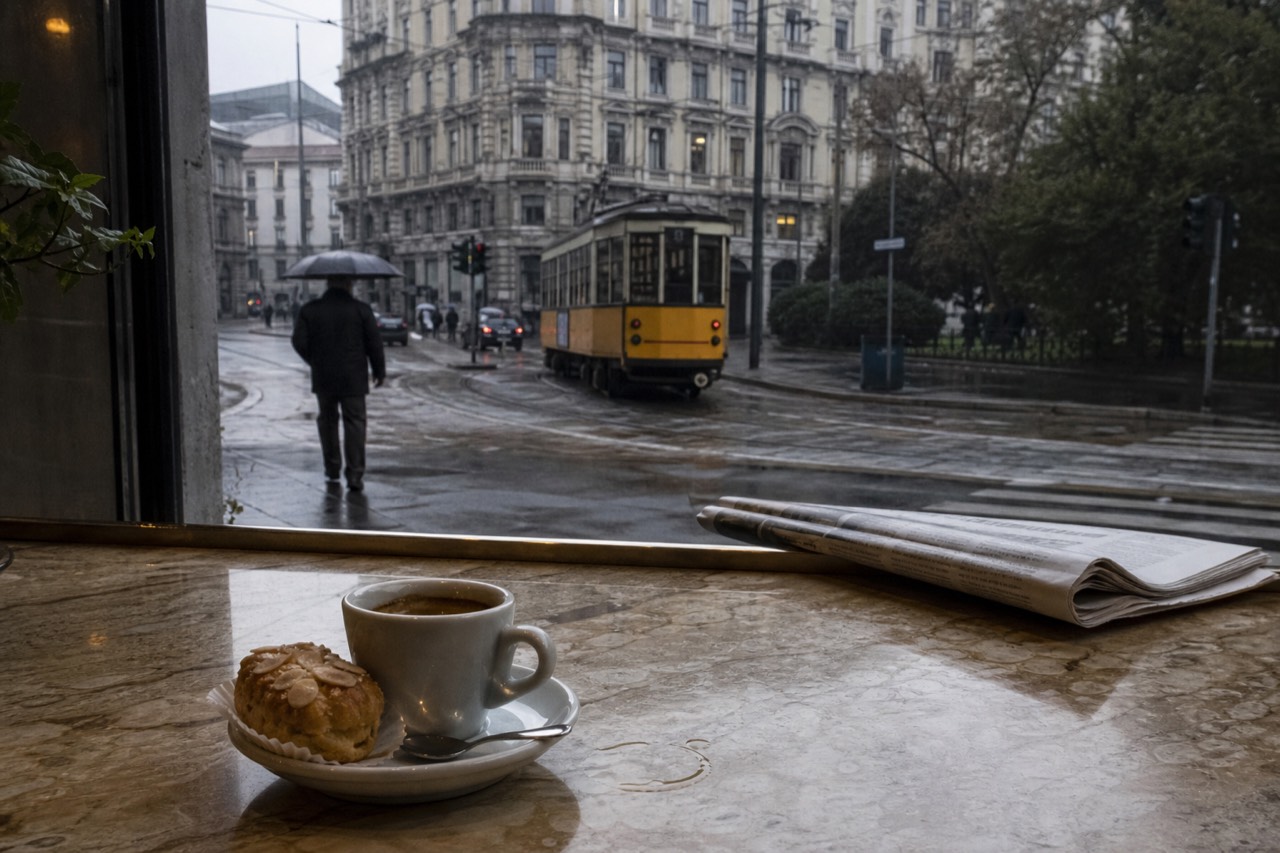
Start with the one rule that is real almost everywhere in the country: the cappuccino boundary. Italians drink milky coffee in the morning, and a cappuccino after a big lunch reads as odd because a hot milk bomb on top of a full stomach is genuinely uncomfortable. Nobody will refuse you. Nobody will say anything. But the order marks you as a visitor in the same way ordering a latte at 21:00 would anywhere the drink has a fixed slot. The convention exists for a digestive reason, not a moral one, and it is the single most consistently observed rule on this list.
The second real one is ordering fish on Monday, which is less a rule than a supply-chain habit: coastal markets traditionally did not restock on Sundays, so Monday fish was Monday-old fish. In Milan in 2026, with daily refrigerated logistics, the habit has faded, but it survives in the older trattorias. It is a fair example of how these conventions start as practical and outlive the practicality.
If you want a shortcut through all of it, a guided tasting walk does the filtering for you: the guide orders, the kitchen knows the operator, and the menu is the one locals get. The three walks below are the ones this site rates for exactly that job.
Which Ordering Rules Are Real, And Which Are Folklore?
Of the ten most-repeated Italian ordering rules, roughly four are real conventions (cappuccino timing, no parmesan on seafood pasta, no ketchup on pizza, dressing your own salad), three are value judgments rather than etiquette, and three are folklore that Italians break routinely, including the famous bans on spaghetti bolognese, pasta as a side dish, and asking for pizza cut into slices. The table below is the honest scorecard, and the last column is the part almost nobody publishes: what actually happens when you do it in Milan.
| The claimed rule | Real status | What happens if you break it in Milan |
|---|---|---|
| No cappuccino after lunch | Real convention, digestive logic | Nothing is said; you get a slightly puzzled look at most |
| No parmesan on seafood pasta | Real, the cheese overwhelms delicate fish | The waiter may warn you first, kindly |
| No ketchup on pizza | Real, but aimed at children's habits | Nobody in Milan will confront you |
| Never order pasta and pizza in one meal | Folklore; Italians do order both at pizza nights | Nothing at all; portion sizes assume it |
| Never break spaghetti | Folklore; a habit taught to children, not law | Nothing; the spoon is gone but the rule is softer than claimed |
| Never ask for the menu without ordering a drink | Not a rule anywhere | Invented wholesale by listicles |
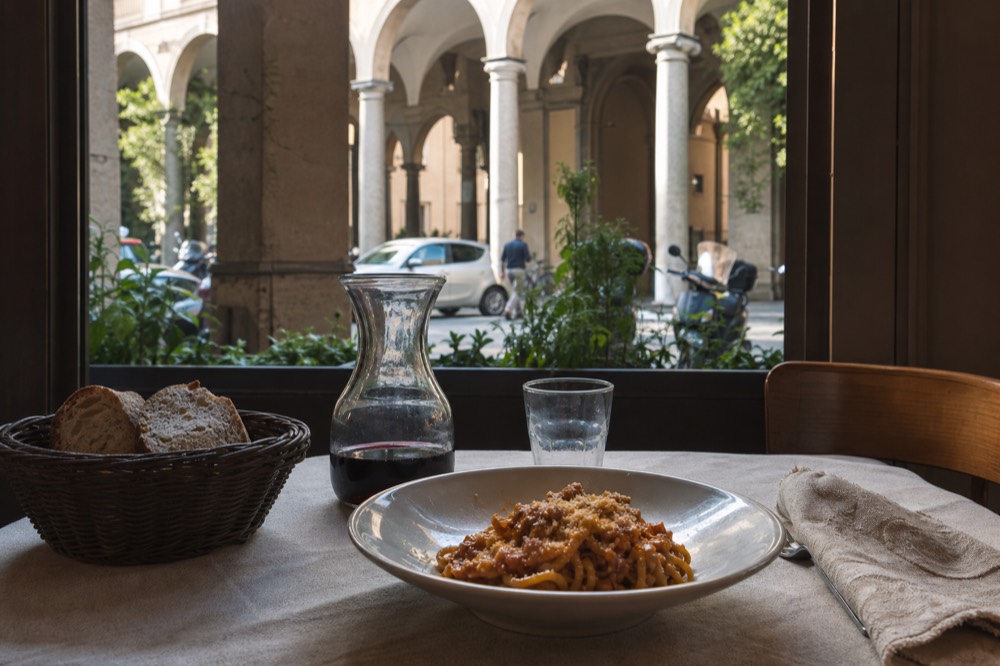
| No bread with pasta | Real-ish; bread is for wiping the plate after, not alongside | The bread basket arrives anyway |
| Never order a latte | Real, and practical: "latte" means milk | You will be served a glass of milk, which is the point |
| No ice in wine | Loosely real; temperature matters to the wine, not the ritual | A request for ice gets a wince, not a refusal |
| Never eat standing at a table | Folklore; the entire aperitivo culture is standing | Milan does this nightly by the canals |
The pattern worth noticing is that the real rules all have a reason attached: digestion, flavour balance, or plain translation. The folklore rules are rules for the sake of rules, and they mostly circulate because they are fun to repeat. A good parallel is the coffee question, which this site covers in full in the Italian coffee rule explained: the rule is about when and how, not a ban on anything.
There is one 2025 development that puts a floor under all of this: Italian cuisine as a whole, the rituals of cooking and eating included, was inscribed on UNESCO's Intangible Cultural Heritage list on 10 December 2025, the first entire national cuisine to receive the designation (CNN reported the unanimous decision). The etiquette conventions are part of what got protected, which is why waiters defend them, gently, in the first place. This is also the approach Milan Food Tours takes across its guides: explain the convention, then let you decide.
What Gets You A Strange Look In Milan Specifically?
In Milan the strange-look list is shorter than the internet's: cappuccino after dinner, ordering risotto alla milanese "to share" (it is plated as a single round portion and collapses fast), asking for a cotoletta without the bone in an old-school trattoria, and ordering a spritz at a historic café table without expecting to pay historic-café prices. Milan enforces fewer rules than Naples because its food identity is broader: this is the city that put sushi, poke and apericena buffets on the same street. The look you get is usually about money or timing, not manners.
The spritz point deserves honesty. Aperitivo in Milan runs roughly 18:00 to 21:00, and ordering one at 22:30 is not rude, it is just late: since 11 June 2026 a city ordinance in force until 2 November has banned takeaway alcohol sales from midnight in twelve zones including Navigli and Brera, so the evening has a harder edge than it used to. The ritual itself is documented back to 1915, when Davide Campari opened Camparino in the Galleria with a constant soda supply piped up from the cellars (the venue's own history page records the dates). What is not documented, despite the folklore, is that aperitivo was invented there. The dates are real; the origin myth is not, and a site that repeats it is guessing.
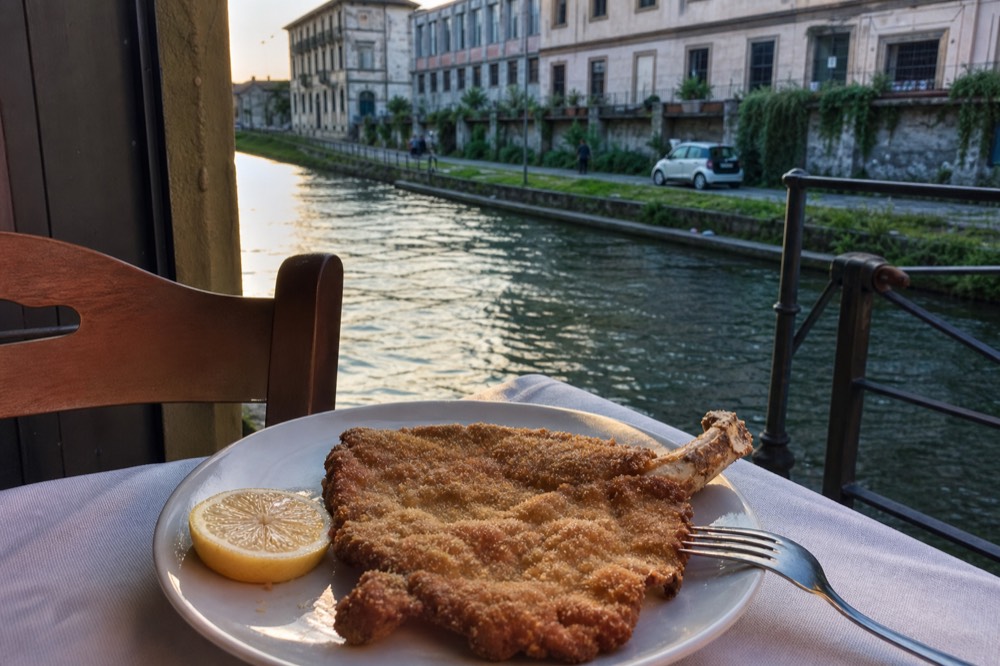
The cotoletta point is the most Milanese item on this page. The city's own register of municipal food designations, the De.Co., recognised cotoletta alla milanese in 2008, and the traditional version is a bone-in veal cutlet, breaded and fried in butter. Asking for it deboned in a traditional house is like asking for a T-bone without the T. You can read the full comparison in cotoletta versus schnitzel, but the short version is: the bone is the point, and the "no bone" variant is a modern concession, not the original.
What Is Simply Poor Value Rather Than Wrong?
The poor-value orders in Milan are restaurants with photographed menus and a host outside the Duomo and Galleria, "menu turistico" boards at fixed prices in the historic centre, gelato sold in fluorescent colours or mounded in giant plastic-looking peaks, and any panettone sold outside the Christmas season at artisan prices, since artisan panettone in Milan passed 50 euro per kilo in the 2025 season. None of these are etiquette breaches. They are just places where you pay twice the going rate for half the quality, and the difference is measurable.
The photographed-menu test is the single most reliable one in Italy. Restaurants that photograph their food for the menu are marketing to people who cannot read the Italian menu, which means their repeat business does not depend on quality. The fixed tourist menu at 15 to 20 euro looks cheap next to Milan centre prices and is usually the most expensive plate of frozen pasta you will ever eat. Walk three streets off the monument and the same money buys a plate made that morning.
Gelato has its own tell: mounded, glossy, unnaturally bright displays are made to survive a display case, not to taste like the fruit. Pistachio should be dull olive-brown, not neon green, and banana should be grey, not yellow. The full checklist is in the best gelato in Milan, but the one-line version is: if the display looks like a craft project, walk.
The panettone point is seasonal and worth real money. Artisan panettone in Milan was listed at 50 euro per kilo in the 2025 season, with Marchesi and Gattullo both at that level, and a 55 per cent rise over five years behind it. A "panettone" at 8 euro on a supermarket shelf in July is a different product governed by the same name, which Italian law reserves for a naturally leavened, sourdough-based cake with minimum quantities of butter, yolk and candied fruit set by a 2005 ministerial decree. The cheap version is legal, it is just not the thing Milan is famous for.
Which Dishes Are Sold As "Milanese" But Are Not?
The dishes most often sold as Milanese that have no place in the city's tradition are "spaghetti alla milanese" (Milan's rice, not spaghetti), "Milanese" pizza with corn and hot dogs, chicken "milanese" as a breaded chicken breast (the cotoletta is veal, bone-in), and any "ossobuco alla milanese" served without the gremolata and bone marrow intact. The city publishes its own answer to this: the De.Co. register, a municipal designation the Comune di Milano has maintained since 2007, listing what actually belongs to the city (the register is on the Comune's food policy pages).
| Sold as Milanese | Reality | The real version to order |
|---|---|---|
| Spaghetti alla milanese | Milan's signature is risotto, saffron and bone-marrow stock; spaghetti versions are tourist menus | Risotto alla milanese, De.Co. since 2007 |
| Chicken milanese | A breaded chicken breast; the cotoletta is bone-in veal | Cotoletta alla milanese, De.Co. since 2008 |
| Milanese pizza with corn and sausage | No such tradition; Milan's pizza identity is contemporary and neapolitan-rooted | A contemporary Milan pizzeria, or see this site's pizza guide |
| Ossobuco without marrow or gremolada | The dish is defined by the braised veal shank with its marrow and the lemon-parsley gremolada | Ossobuco in bianco with risotto, the classic pairing |
| "Milanese" panettone with chocolate drops | The 2005 decree defines panettone as raisins and candied citrus, minimum 20 per cent | Classic artisan panettone in season |
The De.Co. register is the tool most visitors never hear about. It is not an EU protection like DOP, it is a municipal statement of territorial belonging, but it is the city's own list of what is genuinely Milanese: panettone, michetta, cassoeula, risotto, ossobuco, cotoletta, mondeghili, rostin negaa, barbajada and, since 2026, pan de mej. Gorgonzola, by contrast, genuinely is a certified DOP cheese with real production weight behind it, 5,421,517 wheels in 2025 (per the consortium's own release), which is why a Milan menu serving "gorgonzola" is serving something with a legal definition.
A tasting walk is the fastest way to see the difference between the real register and the tourist version, because the stops are chosen for the former. The Premium Tastings walk by Do Eat Better is the one this site rates highest for exactly this: 3.5 hours, from $87.55 per person, rated 4.9 across 288 reviews, with free cancellation up to 24 hours.
Where Do You Order The Real Versions In Milan?
Order the real classics in the neighbourhoods that cook them daily: risotto and cotoletta in old-school trattorias around Brera and the Navigli, panettone only in season from a pasticceria that ferments its own dough, gorgonzola from a cheesemonger or the market, and aperitivo at a canalside bar between 18:00 and 21:00 rather than at a Duomo terrace. The Duomo and Galleria are for looking; the eating happens a few streets away in any direction, and the price difference between those two zones is the single biggest saving on any Milan food budget.
The practical anchors: Peck on Via Spadari is the historic delicatessen for gorgonzola and the cured side of the Lombardy pantry, but it opens Monday at 15:00 and closes Sunday, so a Monday-morning plan cannot include it. Mercato Centrale by Centrale station is open daily from 06:30 to 23:00 if you want to graze without committing to a restaurant. For the cooked classics, a guided walk solves the selection problem in one evening: the Small-Group Tastings Walk by NO DIET CLUB runs 3 hours from $74 per person, rated 4.8 across 165 reviews, and the Brera walk by Army Sale, 2.5 hours from $93.47, rated 4.9 across 320 reviews, lands you in Brera, where the cotoletta is a fixture.
The one thing worth adding to the usual online advice about ordering in Italy: most of the "what not to order" lists are written about Italy in general, and Milan in general is the least general city in Italy. It is a business capital with 9.6 million arrivals in 2025, a UNESCO-listed national cuisine behind it, and a municipal register that tells you exactly what belongs here. Follow the register, skip the photographed menus, and the rest of the rules take care of themselves.
If you are comparing options, these three walks cover the range: a premium tasting tour, a small-group tastings walk, and a Brera classic-dishes walk.
The short answers below cover the six questions visitors ask most: whether cappuccino after dinner is rude (no, just unusual), whether pineapple pizza is banned (no, simply absent), whether Italians really avoid ordering pasta and pizza together (they do not), the most touristy order in Milan, whether chicken milanese is real, and the core question of what not to order in the first place. Each answer gives the convention, the reason behind it, and what actually happens when you break it, which is the pattern this whole page follows.
Common Questions About What Not To Order In Italy
What Not To Order In Italy?
Avoid cappuccino after a meal, parmesan on seafood pasta, photographed-menu restaurants near the monuments, and dishes sold as "Milanese" that are not on the city's De.Co. register. Most other famous rules, like never ordering pasta and pizza together, are folklore.
Is It Rude To Order Cappuccino After Dinner In Italy?
It is not rude, it is just unusual. The convention is digestive: milky coffee belongs to the morning. Nobody in Milan will refuse you or comment, though in a traditional bar you may get a puzzled look.
Is Pineapple Pizza Actually Banned In Italy?
Not banned anywhere, and nobody will throw you out. It simply does not exist on Italian menus, so ordering it usually means you are in a tourist-oriented pizzeria. The outrage online is a meme, not a law.
Do Italians Really Never Order Pizza And Pasta Together?
They do, especially at pizza nights where pasta is the first course and pizza follows. The "rule" is folklore. Portion sizes in Italy are smaller than abroad precisely so courses can stack.
What Is The Most Touristy Thing You Can Order In Milan?
A fixed-price tourist menu with photographed dishes within sight of the Duomo. You will pay close to trattoria prices for industrial food, and the same money three streets away buys a real risotto or cotoletta.
Is Chicken Milanese A Real Milanese Dish?
No. The cotoletta alla milanese is a bone-in breaded veal cutlet, recognised on the city's De.Co. register in 2008. The breaded chicken breast version is an international adaptation, common abroad and rare in Milan itself.
Milan Gourmet Tour: A Premium Tasting Experience By Do Eat Better
Have your travel date in mind? Check the gourmet tasting route before arranging the rest of your Milan food itinerary.
3 hours 30 minutes · English · Meet your guide for the Do Eat Better Experience Milan Food Tour in front of 'Banca Intesa'
Scheduled departure dates. Availability and final price are confirmed on Viator.
None of these experiences matches that choice. Adjust your preference or reset to the general recommendation.
Compare Options And Plan Your Visit
- Guided gourmet tastings
- Confirmed risotto/charcuterie/other stops.
- Risotto and seven tastings
- Explicit classic risotto inclusion.
- Brera appetizer walk
- Neighbourhood appetizer route.
Before Booking
Moderate physical fitness Minimum drinking age 18 Not suitable for severe or life-threatening food allergies Tastings vary by season and availability
Compare complete party totals in the same currency, including any transport, meals or extras you would otherwise buy.