Is It Rude To Not Finish Your Plate In Italy?
What actually happens when you leave food on your plate in Italy: the restaurant reality, the private-home difference, doggy bag culture and which supposed rules are real.
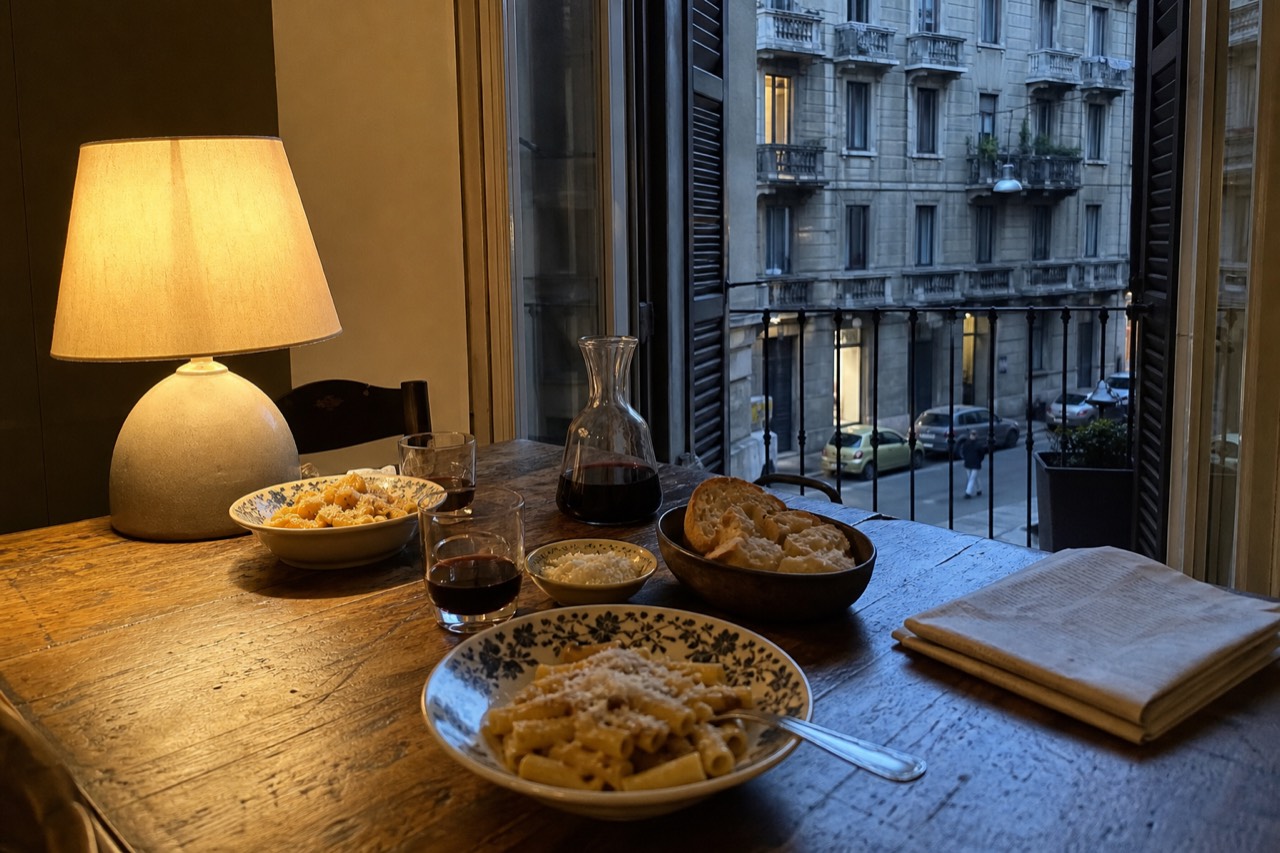
Is It Rude To Not Finish Your Plate In Italy?
No, it is not rude to leave food on your plate in an Italian restaurant, and nobody will judge you for it. Waiters see half-eaten plates all day, portions are generous, and a plate left with something on it signals you were satisfied, not that you insulted the kitchen. The etiquette pressure is real but imported: it comes from other countries' table manners, not from Italian ones.
That said, the honest answer has layers, because Italy is a country where food is treated as a subject of national importance. Italian cuisine was inscribed on UNESCO's Intangible Cultural Heritage list on 10 December 2025, the first entire national cuisine to receive the designation, and that tells you something about how seriously the culture takes its food. The question is what that seriousness actually translates to at the table, and the answer is usually curiosity rather than offence.
What genuinely happens when you leave a lot of food is that the waiter may ask, once, whether everything was fine. That is a service question, not a rebuke. Answer honestly. If the dish was too much, say so, and you will likely get a sympathetic nod and a comment about how the kitchen likes to feed people properly. If something was wrong, say that too, because Italians respect directness about food far more than silent politeness.
The place where the rules do tighten is a private home, and that is a genuinely different situation with different stakes. We will come to it, because it changes both what you should eat and how you should signal that you are finished.
What Actually Happens When You Leave Food In An Italian Restaurant?
In practice, nothing dramatic. Your plate is cleared without comment, and the waiter moves on. Leaving food is common enough that there is no social script for objecting to it, and portion sizes in Milan, especially pasta and secondi, are built for appetite rather than tidiness. The only visible reaction you might get is a polite question about whether you enjoyed the dish.
A few details are worth knowing so the moment does not feel heavier than it is. The coperto, the fixed cover charge that appears on most Milanese menus, is legal as long as it is clearly listed, and it typically runs €1-3 per person. It is not a tip and it is not a penalty; it covers bread and table service. You can read more about how the coperto and other local customs work in practice on this plain-language guide to the coperto. Leaving food does not affect it in any way.
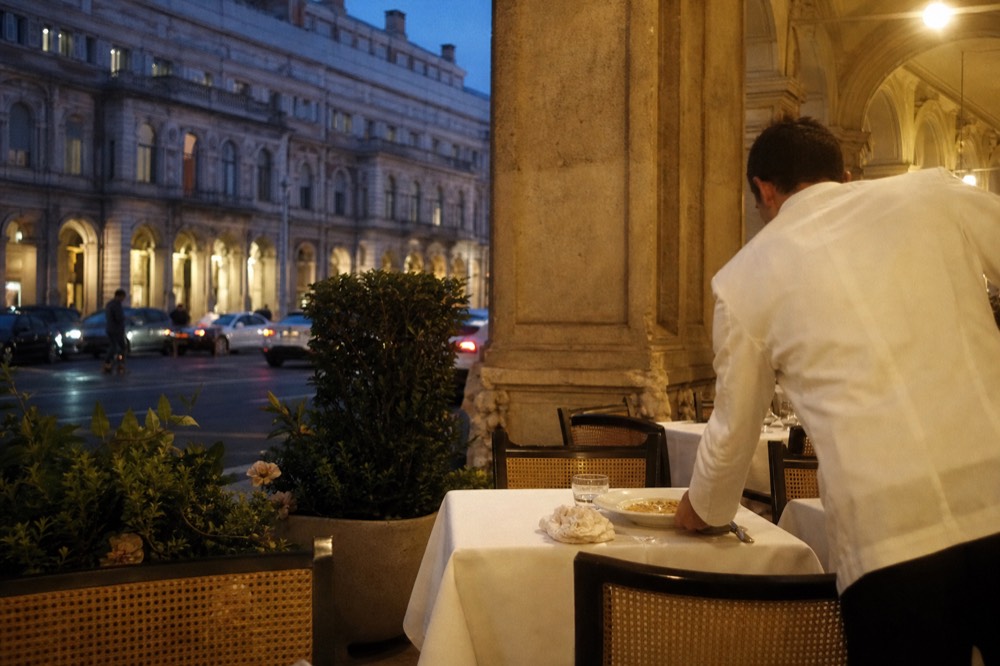
The one behaviour that does land badly is theatrical waste combined with complaint, in other words ordering far too much, eating little, then telling the staff the food was poor. That reads as bad faith. Ordering, tasting, and leaving the rest with a quiet word that you are full is completely normal and unremarkable. If you want to plan portions like a local, our guide to what a typical lunch looks like in Italy breaks down how Italians actually structure a meal, which is the single best defence against over-ordering.
One more restaurant reality: receipts are always required by law, and card payment is widely accepted, so there is no awkwardness in paying by card for a meal you did not finish. The practical friction around unfinished food in Italy is almost never at the table. It is at the door, when you want to take the rest with you, and that is the next question.
Restaurant, Home Or Guided Tasting: How The Rules Differ?
In a restaurant, leaving food is fine and unremarkable. In a private home it is noticed, because the host cooked for you personally, and the polite move is to take small portions and finish those. On a guided tasting walk or a cooking class, clearing the plate is expected simply because you chose the portions, but nobody polices it. The setting, not the country, sets the rule.
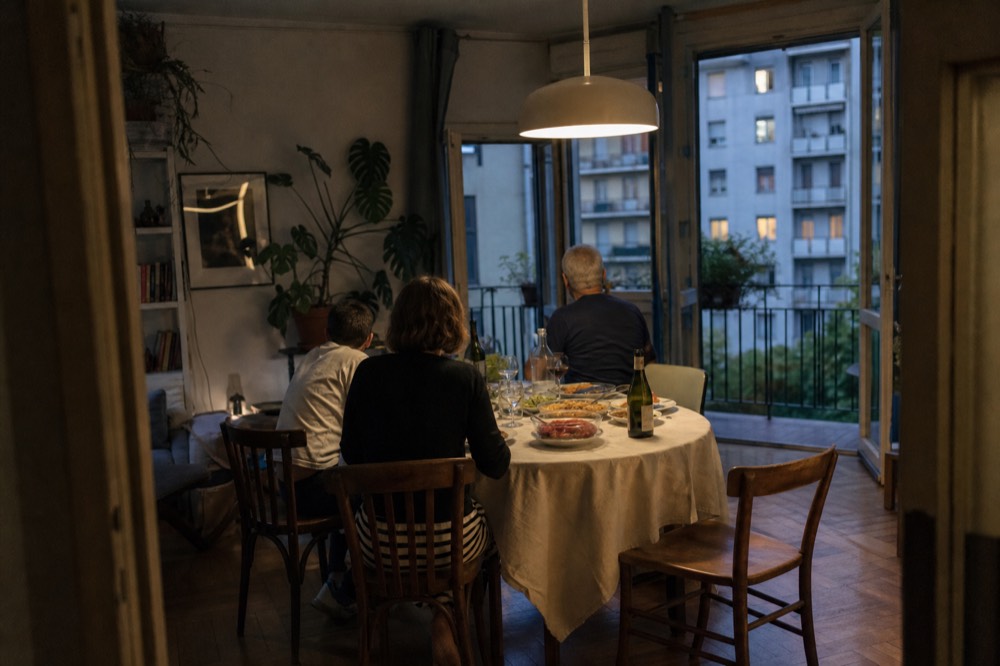
This distinction matters more than most online advice admits. The folklore version of "always finish your plate in Italy" flattens three very different social situations into one, and it is the private home where the pressure is real, not the restaurant. If you are curious about how a Milanese household actually eats, the home dinner format is the only way to see it from the inside.
| Setting | Leaving food | What is noticed | Best move |
|---|---|---|---|
| Restaurant | Normal and unremarkable | Nothing, unless you also complain | Eat what you want, be polite |
| Trattoria with a fixed menu | Acceptable | Whether you skipped a course entirely | Say which courses you want when ordering |
| Private home | Noticed, mildly | A fully untouched dish | Take small servings, finish those |
| Cooking class | Expected to finish | Nothing; you made the portions | Eat what you cooked, it is the point |
| Guided tasting walk | Fine | Whether you engaged with the guide | Taste everything, skip what you dislike |
The home setting deserves the honest treatment. The Natural Food and Wine in a Milanese Home dinner, from $94.65 per person, seats you at a local family's table for a two-hour meal with natural wine, and it is the only listing on this site's roster built around eating in a stranger's home. Two things should be said plainly. It carries 10 reviews, too few for any reliable rating claim, and it is the one non-refundable listing on the entire site, so unlike the tours with free cancellation up to 24 hours, you cannot back out once you book. Weigh both before committing.
If the non-refundable terms give you pause but the home-table idea appeals, a cooking class covers similar ground with standard cancellation. The Cesarine UNESCO pasta and tiramisu class, from $128 per person, rated 4.9 across 136 reviews, runs in a host's home with a Prosecco aperitivo, and it is a good middle point between restaurant and dinner party.
Can You Ask For A Doggy Bag In Italy?
Yes, you can ask, and it is increasingly normal, but it is still not the default behaviour you see in the United States. Ask for the food "da asporto" or "da portare via" and most restaurants will pack it without fuss, though a few upscale places may quietly find it odd. The custom is growing fastest among younger Italians, and nobody will refuse you.
The cultural gap is real but shrinking. The historical hesitation was partly about presentation, a chef sending out a plated dish does not love seeing it decanted into a plastic box, and partly about the older habit of eating out as an event where you finish what is served. Rising prices have done more than any etiquette debate to normalise taking food home, and restaurant staff in Milan deal with international guests constantly, so the request itself surprises nobody behind the counter.
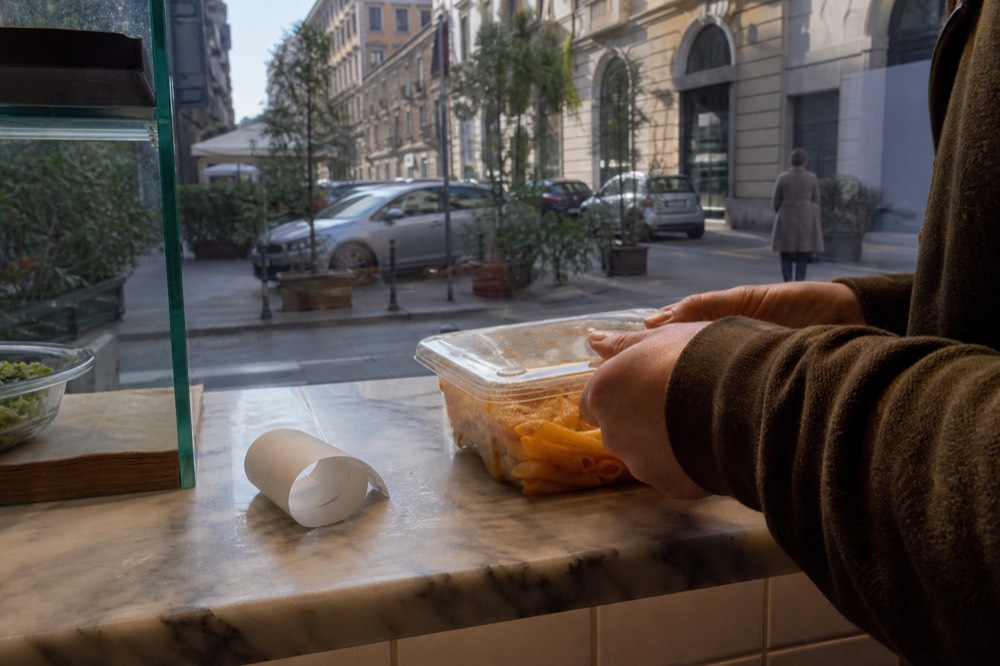
Two practical notes. First, if your meal runs late in one of Milan's nightlife zones, be aware that the city's movida ordinances, in force 11 June to 2 November 2026, restrict takeaway of alcoholic drinks from midnight in twelve zones including Navigli, Brera and Isola, and the Comune di Milano published the details on its official site. Food is not covered by the alcohol takeaway ban, but an evening that ends with a boxed second course and a spritz has a moving parts problem. Second, do not expect the restaurant to volunteer the option; you ask, they pack.
Which Of The Supposed Rules Are Actually Real?
Most of the famous "rules" are either real but misapplied, or invented for travel articles. Cappuccino after midday is a genuine convention, bread is not served with oil at a proper table, and asking for pasta without an allergen is fine while asking to rewrite a dish is not. The finishing-your-plate rule, the one this article is about, is largely imported. Here is the honest scorecard.
The cappuccino convention is the one that is truly load-bearing, and if you want the full picture, our piece on the coffee rule in Italy covers it in detail. The short version: milky coffee is a morning drink, and ordering a cappuccino after a late dinner marks you as a visitor, though it will be served without comment. The bread rule is similar: bread arrives plain, and dipping it in olive oil is a restaurant invention for tourists, not a Milanese habit.
| The supposed rule | Verdict | What is actually true |
|---|---|---|
| Never leave food on your plate | Mostly false | Restaurants do not care; homes notice |
| Never ask for a doggy bag | False and outdated | Ask for "da portare via"; it is normal |
| No cappuccino after midday | Real convention | Morning drink; nobody will refuse you |
| Do not cut spaghetti | Real but soft | Twirling is the norm; nobody scolds adults |
| Never ask for parmesan on fish pasta | Real | It is seen as drowning the dish |
| Do not order pizza and pasta together | Real, for locals | Courses are sequential, not combined |
| Finishing your plate signals respect to the cook | True only at home | In restaurants it signals nothing |
The pattern across the table is that the real rules are about how food is composed and ordered, not about how much of it you eat. An Italian chef cares that you did not put parmesan on the clam spaghetti, because that changes the dish. Whether you ate all of it is your business. This is also why the "is it rude" anxiety is misplaced: the questions that carry social weight are about ordering, not about clearing.
How Do You Signal You Are Finished, Italian Style?
Italians signal the end of a meal with the cover, not the plate. Placing your knife and fork parallel across the plate, handles to the right, tells the waiter you are done, and it works everywhere. Pushing the plate away or stacking it is unnecessary and reads as rushed. The bill arrives only when you ask for it, because table time is yours.
This is the part of the meal where visitors from North America feel the biggest difference, and it connects back to the original question. In a dining culture where the table is yours for as long as you want it, there is no incentive to clear the plate as a signal of departure. You finish when you finish. Ask for the bill with "il conto, per favore" and expect it to take a few unhurried minutes.
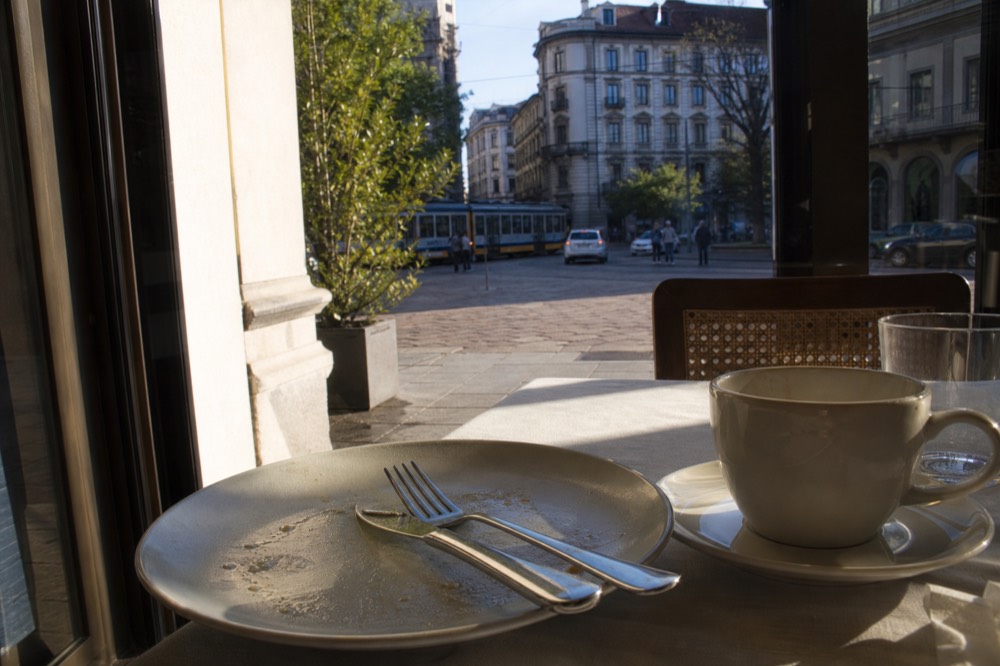
Lingering is not just tolerated, it is the design. A Milanese dinner runs long, and the sequence of courses, which our guide to Milan dinner times explains, is built for conversation between plates rather than speed. If you are eating your way through the city over several days, the same logic applies to planning: pace the meals, leave room, and do not treat every plate as a test.
One way to sidestep the whole question is to cook the food yourself, where portion control is literally in your hands. The Authentic Pasta and Tiramisu class, from $75.42 per person and rated 4.9 across 1,303 reviews, runs three hours in a home kitchen and ends with you eating exactly what you made, in the quantity you made it. For a wider comparison of formats and prices, our overview of cooking classes in Milan lays out the field.
The site behind this article, Milan Food Tours, exists because these small social questions, plate etiquette, dinner times, the coperto, are exactly what shape a food trip more than any restaurant ranking. Eat what you want, be warm to your host, and ask for the box if you want it.
The questions below cover the situations readers ask about most: leaving pasta in a restaurant, asking for a box, eating at a private table, and how the coperto fits in. Each answer states what actually happens rather than the folklore version, so you can sit down anywhere in Milan knowing the real conventions. The short version of every answer is that quantity is your business and composition is the culture's.
Common Questions About Finishing Your Plate In Italy
Is It Rude To Not Finish Your Plate In Italy?
No. In restaurants it is completely normal and draws no reaction. In a private home it is noticed, so take small portions and finish those. The rule as commonly stated online is largely imported from other dining cultures.
Will An Italian Waiter Be Offended If I Leave Pasta On The Plate?
No. Waiters clear half-finished plates all day without comment. The only reaction you might get is a polite question about whether you enjoyed the dish, which is a service question rather than a complaint.
Can I Ask For A Doggy Bag In An Italian Restaurant?
Yes. Ask for the food "da portare via" and most restaurants will pack it. It is not yet as routine as in the United States, but it is increasingly normal and no restaurant will refuse.
Is It Rude To Leave Food At Someone's Home In Italy?
It is noticed rather than rude. A host who cooked personally may feel deflated by an untouched dish, so the polite strategy is to serve yourself small portions and finish them, then accept a second serving if you want one.
What Is The Coperto, And Does Leaving Food Affect It?
The coperto is a fixed cover charge, typically €1-3 per person, that covers bread and table service. It is legal when clearly listed on the menu and has nothing to do with how much food you eat.
How Do I Signal I Have Finished Eating In Italy?
Place your knife and fork parallel across the plate with handles to the right. Then ask for "il conto" when you want the bill, because it will not arrive until you request it.
Natural Food & Wine In Milanese Home - Eat With Locals!
Have your travel date in mind? Check the hosted Milanese dinner before arranging the rest of your Milan food itinerary.
2 hours · en, it, ja · Contact us and we will give you the exact address! Metro stop Sant'Agostino is a 4 min walk from our home.
Scheduled departure dates. Availability and final price are confirmed on Viator.
None of these experiences matches that choice. Adjust your preference or reset to the general recommendation.
Compare Options And Plan Your Visit
- Dinner hosted in a home
- Meal with Milanese hosts.
- Pasta and tiramisu cooking
- Cook and eat in a home.
- A Cesarine home class
- Hands-on class with local host.
Before Booking
Check cancellation terms and specific dietary needs before booking