Brera Milan Restaurants: Where To Eat In The Quartiere
Brera is Milan's most photographed dining district and one of its most expensive. Here is what the neighbourhood actually offers in 2026, from century-old trattorie to the newest openings, with a price ladder that runs from a bar counter to a sit-down dinner.
Short answer
Brera concentrates old trattorie, new openings and high prices inside a few cobbled blocks. A spritz runs EUR 12-18 in the cocktail bars, the movida ordinance caps outdoor tables from 1:00 on weekdays, and a guided food walk from $93.47 per person covers five or six appetizers with the neighbourhood between them.
What Makes Brera Milan's Restaurant District?
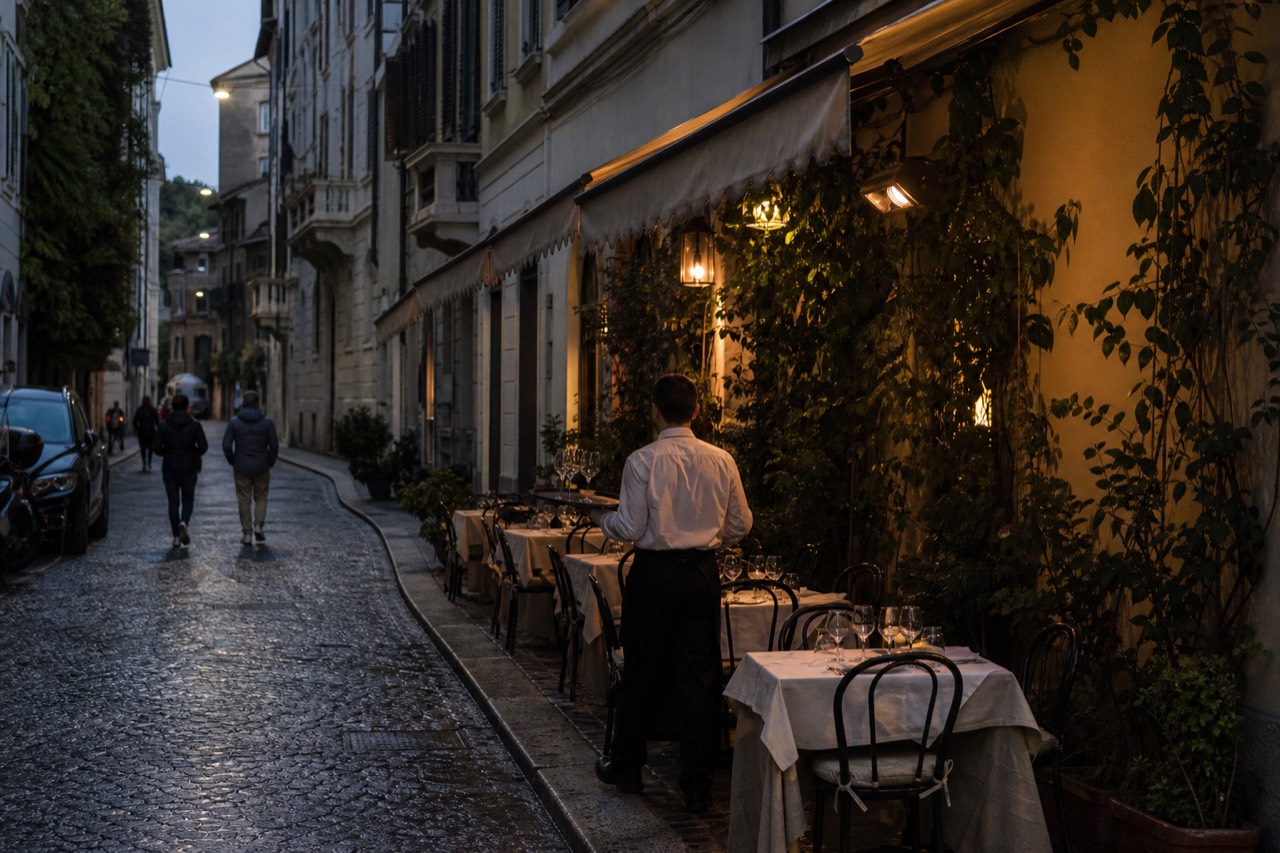
Brera is the densest cluster of eating places in central Milan: art galleries, antique shops and trattorie share the same cobbled blocks between the Pinacoteca di Brera and the Galleria Vittorio Emanuele II, which means the district draws both tourists passing through and Milanese who have eaten here for decades. The neighbourhood's character comes from that mix. A street can hold a bakery that has not changed its window display in forty years and a natural-wine bar that opened last autumn, and neither feels out of place. That density is also why prices run high: rents in Brera are among the steepest in the city, and a table on a cobbled street with a view of the galleries carries a premium you can measure on the menu.
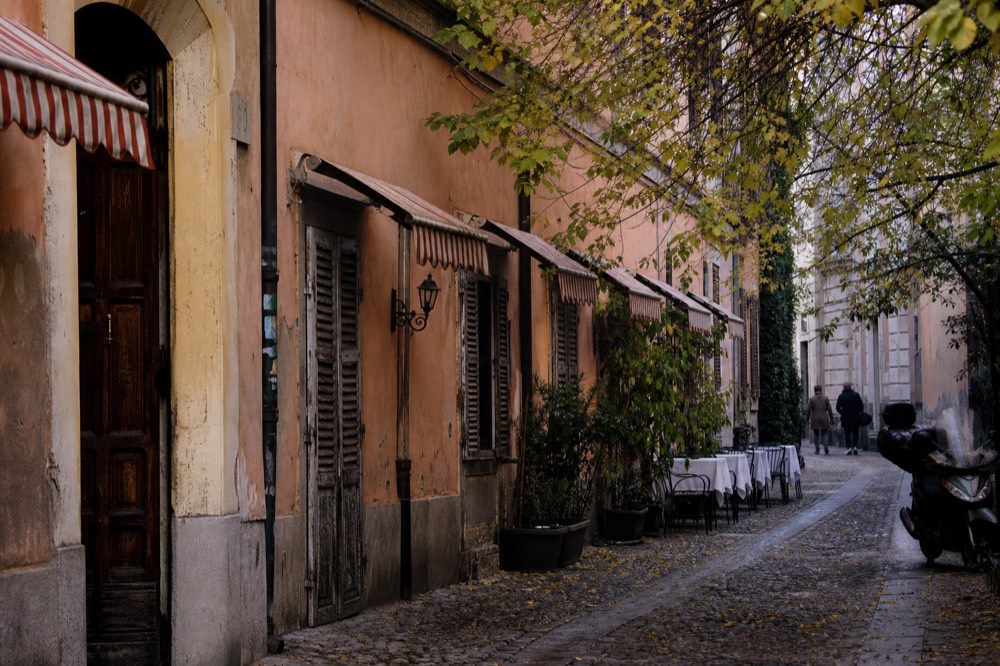
The district's food identity is not a single dish. It is a layering: old Milanese cooking, the aperitivo ritual that the whole city borrowed and Brera prices at the top of the market, and a wave of new openings that arrived with the gallery crowds. Understanding which layer you are standing in is the difference between a memorable evening and a EUR 90 disappointment two streets from a EUR 30 dinner.
This guide walks through the neighbourhood the way you would eat it: what opened recently, what the old rooms still do, what things cost at each level, and how the evening is shaped by rules most visitors never hear about until a waiter tells them to move inside. The site, Milan Food Tours, covers the whole city, but Brera rewards the closest look because the gaps between price levels here are the widest in Milan.
Which Brera Restaurants Opened In 2025 And 2026?
Three notable openings landed in Brera across 2025 and 2026: Sea Signora, a fish restaurant by Antonio Fresa, opened in September 2025; Formentini, a contemporary osteria, opened on Via Formentini in early 2026; and Antica Gelateria Matteo opened its first Milan store at Via Mercato 30 in September 2026, while the district also lost The Sound of Love, Max Mariola's bistrot on Corso Garibaldi, which closed in spring 2026.
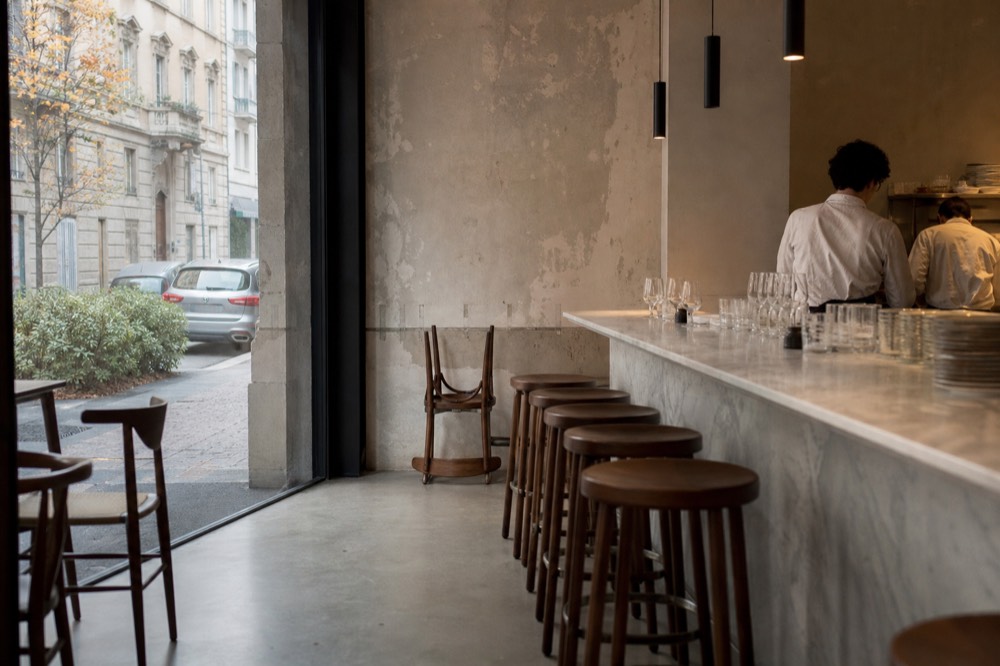
The openings tell you where the district is heading. Fish and seafood, contemporary osteria formats, and gelato: none of these are traditional Brera trades, which historically ran on risotto, cotoletta and panettone for the gallery crowd. The new rooms chase a younger, wine-literate audience. Formentini in particular matters for visitors, because a contemporary osteria format usually means smaller plates and a lighter bill than the classic trattorie, which is a useful counterweight in a district where the old rooms are not cheap either.
| Opening or closure | What it is | When | Source |
|---|---|---|---|
| Sea Signora | Fish restaurant by Antonio Fresa | September 2025 | MilanoToday |
| Formentini | Contemporary osteria, Via Formentini | Early 2026 | la Repubblica |
| Antica Gelateria Matteo | First Milan store, Via Mercato 30 | September 2026 | Cibotoday |
| The Sound of Love (closed) | Max Mariola bistrot, Corso Garibaldi, relocating to CityLife | Spring 2026 | Scatti di Gusto |
For a visitor, the practical read is this: the newest rooms are the hardest tables to get and the most likely to have a waiting list rather than a walk-in policy, while the closures remind you that a Brera address you read about last year may no longer exist. Cross-check anything older than twelve months before you plan an evening around it. The openings list above is drawn from Italian press reporting, with each venue's opening window and source named, so you can judge the freshness yourself.
If you would rather someone else handle the route, the district has guided options that move between stops:
The first of those three is the one built around this neighbourhood specifically: a two-and-a-half-hour walk that starts at Piazza della Scala and works through Brera with an appetizer dinner built from five or six typical Italian appetizers, from $93.47 per person, rated 4.9 across 320 reviews, with free cancellation up to 24 hours ahead. The listing shows it is booked 58 days ahead on average, which tells you something about how the district's demand runs. The other two cover the same price band from different angles: a history walk with wine tasting, and a patisserie-focused sweets walk.
How Much Does Dinner In Brera Actually Cost?
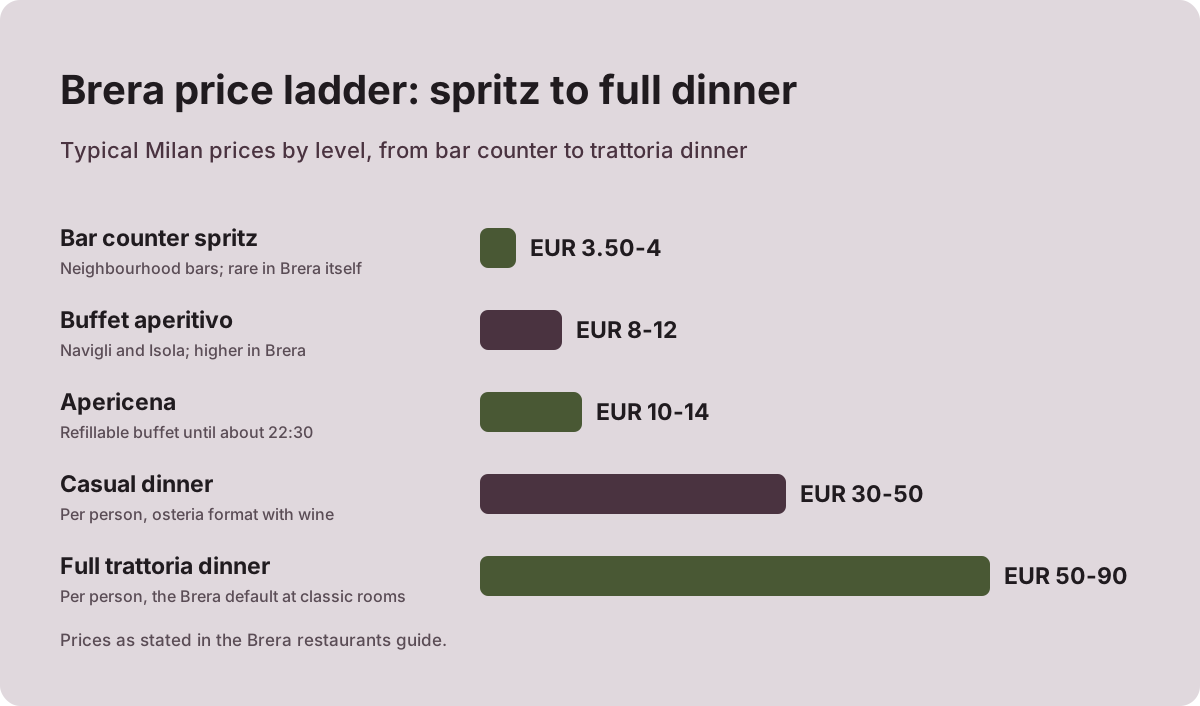
A realistic Brera price ladder runs from about EUR 3.50 for a spritz at a neighbourhood bar counter to EUR 12-18 for a cocktail-bar aperitivo in Brera itself, EUR 21 for a spritz at a Duomo-facing terrace like Terrazza Aperol, and well past EUR 50 per person for a sit-down dinner with wine at the district's serious restaurants, with the citywide average Aperol Spritz price sitting at EUR 16.66 in the 2026 index.
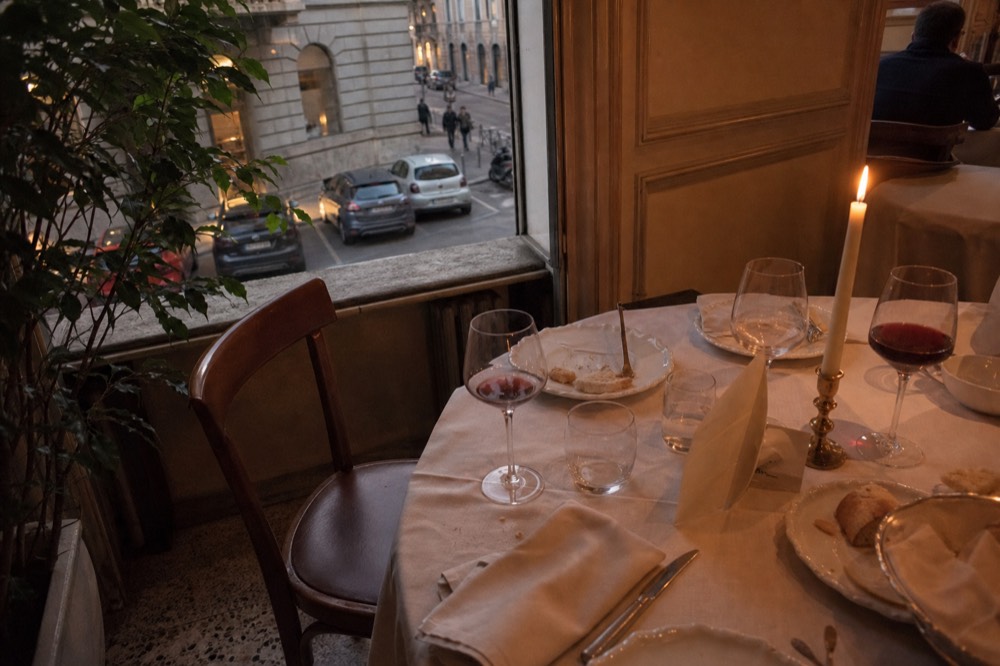
The spread is the point. The same city that charges EUR 3.50 for a spritz in a peripheral bar charges EUR 21 for the identical drink with a Duomo view, and Brera sits near the top of that curve without being the very top. The 2026 Aperol Spritz Index put Milan's average at EUR 16.66, which is the number to hold in your head when a menu looks reasonable at first glance. Named venue prices from Corriere della Sera's reporting give you the rungs: EUR 8 at Base in zona Tortona, EUR 9 at Montalcino Caffè on the Naviglio Grande, EUR 21 at Terrazza Aperol by the Duomo.
| Level | What you get | Typical Milan range | Brera position |
|---|---|---|---|
| Bar counter spritz | Drink only, standing or at the counter | EUR 3.50-4 at neighbourhood bars | Rare in Brera; walk toward Nolo or Ticinese |
| Buffet aperitivo | One drink plus a standing buffet | EUR 8-12 in Navigli and Isola | Higher here; cocktail bars run EUR 12-18 |
| Apericena | Refillable buffet replacing dinner, until about 22:30 | EUR 10-14 per drink | Available but priced at the top of the band |
| Casual dinner | Osteria format, smaller plates, a glass of wine | EUR 30-50 per person | Achievable at the newer rooms |
| Full trattoria dinner | Primo, secondo, wine, coperto | EUR 50-90 per person | The Brera default at the classic rooms |
The buffet and apericena bands come from a Milan guide rather than primary reporting, so treat them as planning ranges, not researched figures: check the room before you commit an evening. The named venue prices are from Corriere della Sera and its sister titles and are solid.
One more line item: the coperto, the per-person cover charge, is still legal in Italy as long as it is clearly listed on the menu, typically EUR 1-3 per person. It is not a scam in Brera, but it is on the bill, so factor it in when you compare a EUR 12 plate against a food walk that includes everything.
Which Trattorie Predate The Boutiques?
Brera's old-school dining base consists of a handful of long-running trattorie and historic addresses that were feeding artists and students around the Pinacoteca long before the fashion boutiques and design showrooms moved in, and they are the reason the district still has a Milanese kitchen under the tourist surface, though several of the most famous names now operate at prices that match their addresses rather than their origins. The pattern across Milan's old rooms is visible in the neighbourhoods data: Antica Pizzeria Da Giulio on Corso San Gottardo, open since 1925, closed in May 2026 after 101 years, a reminder that "historic" is a status that expires. In Brera the survivors are the ones that adapted.
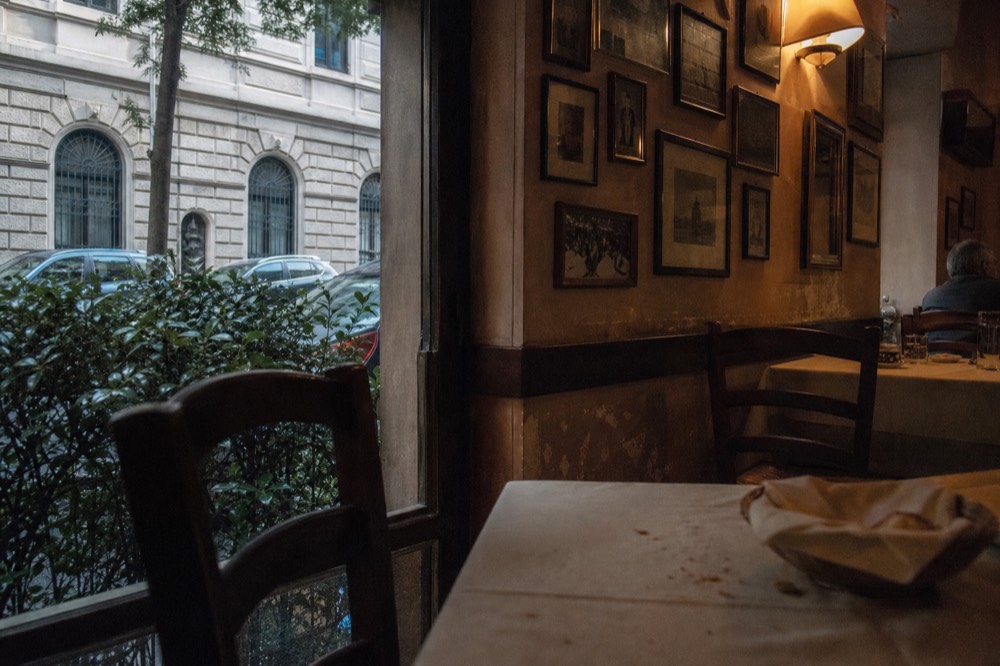
What the old rooms do well is the Milanese canon: risotto alla milanese with saffron, cotoletta, ossobuco, mondeghili. These are dishes with municipal recognition, not EU protection. The Comune di Milano's own De.Co. register, established by resolutions of 2007 and 2008, lists risotto alla milanese, panettone, michetta, cassoeula and ossobuco among its entries, with cotoletta alla milanese, mondeghili and rostin negaa added in 2008 and Pan de Mej joining as recently as 2026. None of them hold an EU DOP or IGP. You can read the register on the Comune di Milano food policy page, which is worth doing before you pay a premium for something marketed as "protected".
The honest advice for the old rooms: go for the dishes the De.Co. register names, at lunch rather than dinner if the budget is tight, and accept that in Brera the premium is partly the address. A risotto that costs EUR 18 in a peripheral trattoria costs more here, and the difference buys you cobbles, gallery-adjacent people-watching and a room with a story. Whether that trade is worth it is your call, but it should be a knowing one.
What Should You Actually Eat In Brera?
The three product types that work best on this side of town are the Milanese classics at a trattoria counter, the aperitivo-with-view format that Brera prices at EUR 12-18 per cocktail, and the sweets: gelato, pasticceria and panettone, where the district's new gelateria opening and its historic pastry shops give you quality at the bottom of the price ladder.
| Product | Where it works in Brera | Price logic |
|---|---|---|
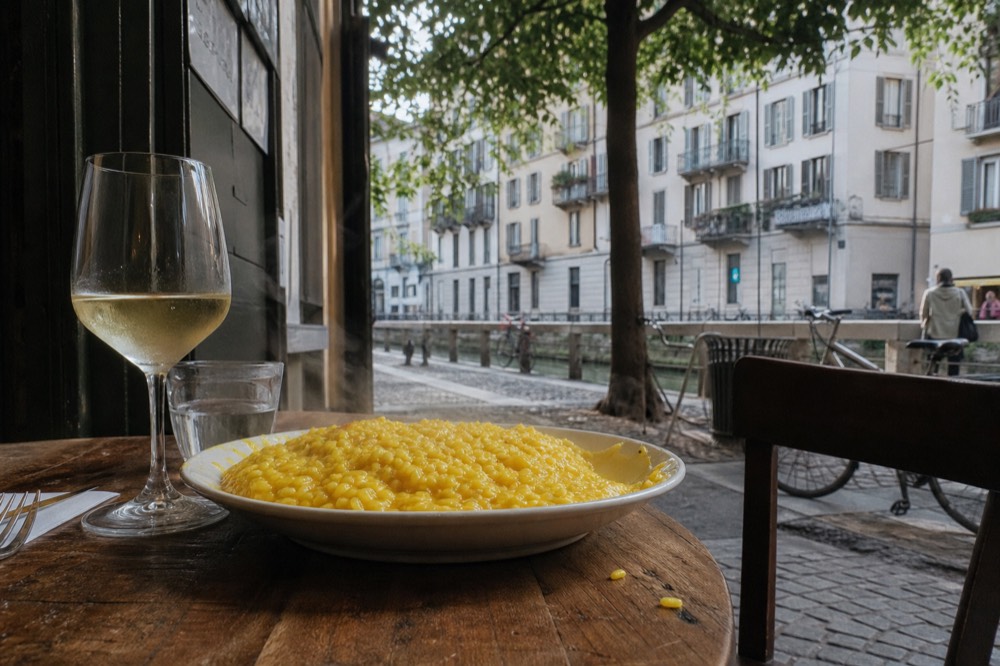
| Risotto alla milanese | Old trattorie, lunch service | De.Co. dish; premium is the address, not the recipe |
| Cotoletta alla milanese | Same rooms, dinner | De.Co. 2008; a shared portion is a real saving |
| Spritz and cocktails | Terrace and cocktail bars | EUR 12-18 band; the view is what you are buying |
| Gelato and pasticceria | New and old sweet shops | Cheapest quality eating in the district |
On the classics, one distinction matters. The cotoletta is a breaded veal cutlet, and Milanese kitchens take it seriously; the perennial comparison with Wiener schnitzel is a real debate, not a tourist joke, and you can read the Milanese side of it in our piece on cotoletta versus schnitzel. If you are eating the canon seriously, the risotto comes first: saffron, marrow where the kitchen is old-fashioned, and a texture that should be all'onda, wave-like, not dry.
The sweets deserve more attention than they usually get. Antica Gelateria Matteo arriving in the district in September 2026 is a genuine event for the gelato map, and the patisserie tradition here connects to the citywide panettone story, where artisan loaves in Milan ran above EUR 50 per kilo in the 2025 season, with Marchesi and Gattullo both listed at EUR 50 per kilo in a Resmart analysis reported by Food Affairs. That is a Christmas-season figure, but it frames what "artisan" costs in this city. For the full picture, see our panettone in Milan guide.
There is also a guided way to eat the sweets layer: a two-and-a-half-hour patisserie walk from $65.07 per person, rated 4.8 across 59 reviews, that covers the city's pastry tradition with the meeting point at Largo Guido Donegani. The listing shows it is booked 46 days ahead on average, so the sweet end of the market is not the quiet end.
What Time Does The Evening End In Brera?
Brera is one of the twelve zones covered by Milan's 2026 movida ordinance, published 9 June 2026 and in force from 11 June to 2 November 2026, which bans retail alcohol sales from 22:00, bans takeaway of all alcoholic drinks from midnight, and bans the use of outdoor tables and dehors from 1:00 on weekdays and 2:00 at weekends and holidays. In practice this means a Brera evening has a shape: the terraces fill from aperitivo hour, dinner runs late by northern European standards, and at a set hour the outdoor tables empty, quickly and visibly.
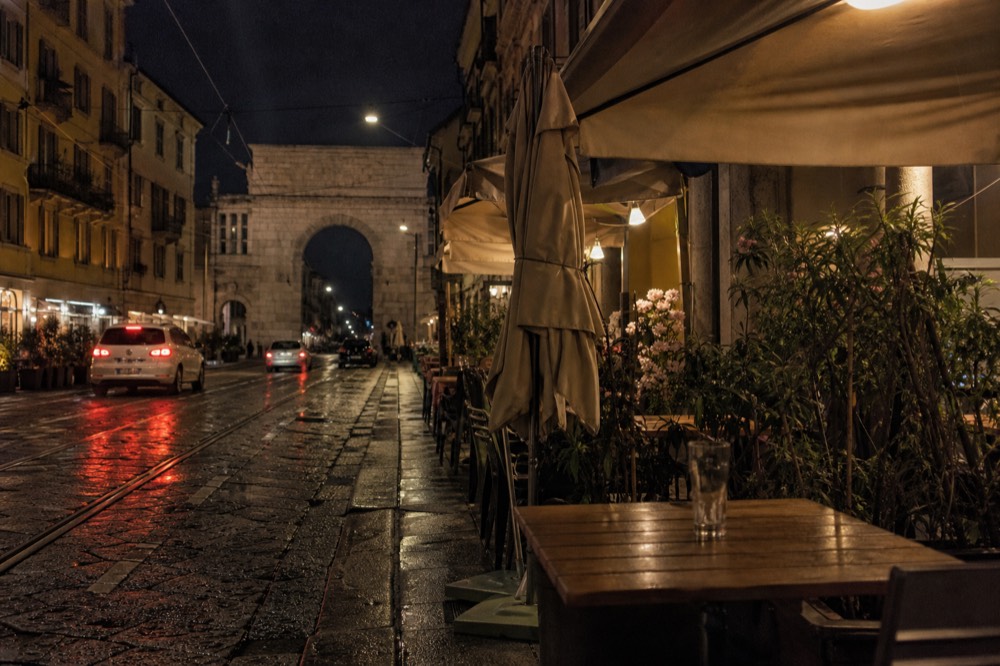
The ordinance is published by the Comune di Milano and covers Nolo, Isola, Sarpi, Cesariano, Arco della Pace, Como/Gae Aulenti, Garibaldi, Brera, Ticinese, Darsena/Navigli, Cinque Vie and Bicocca. For you as a diner, three practical consequences follow. First, if a venue offers you a takeaway drink after midnight in one of these zones, the venue is breaking the rule, not you, but the drink may not materialize. Second, the last hour of terrace time is the most contested; book the 21:00 slot rather than the 22:30 one if the terrace is the point. Third, the ordinance's window, 11 June to 2 November, means summer and early autumn evenings are governed by it while a February dinner is not.
Dinner timing itself follows the city's rhythm, which runs later than most visitors expect. Our piece on what time people eat dinner in Milan covers the full pattern, but the short version for Brera: kitchens open around 19:00, the room fills from 20:30, and the serious local crowd arrives after 21:00.
Can You Eat In Brera Without A Reservation?
You can eat in Brera without a reservation if you target lunch rather than dinner, the aperitivo hour before 20:00, or the newer osteria-format rooms, but the classic trattorie at dinner and any room with a terrace in high season will want a booking, and the district's guided walks, which run on fixed schedules, are showing booking windows of 36 to 58 days ahead on average for the most in-demand options.
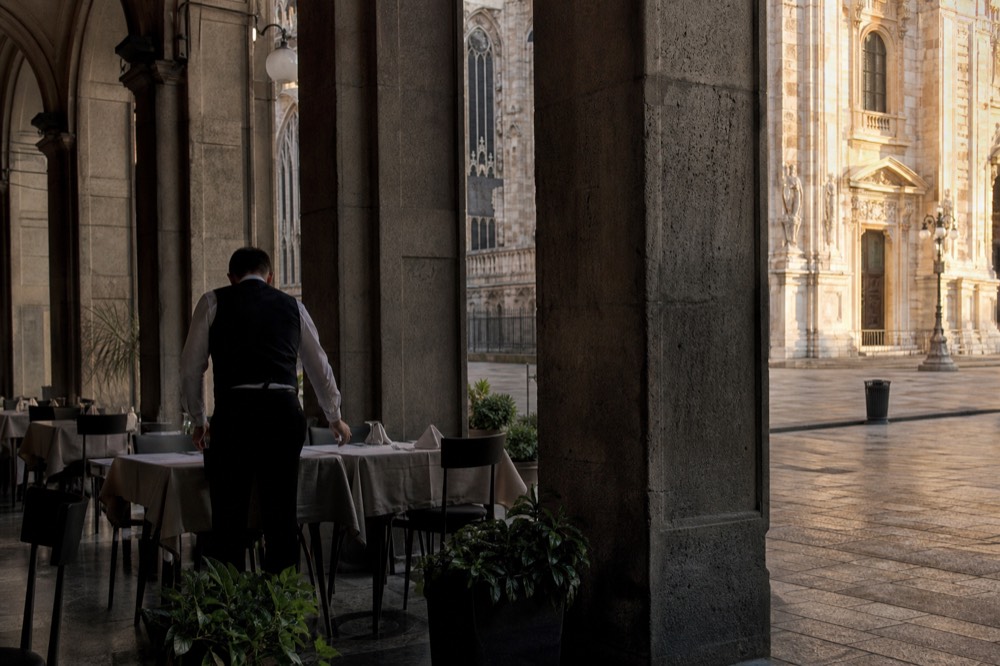
The booking-window figures are worth taking seriously because they are published on the listings themselves. The Brera food walk shows an average of 58 days booked ahead; the pizza and gelato cooking class at Mercato Centrale shows 36 days. These are averages, not minimums: last-minute spots appear when groups cancel, and the free-cancellation policy up to 24 hours before, which every tour on this site's roster carries except one, is what keeps those late spots flowing. But if your dates are fixed, booking early is the rational move.
For restaurants rather than tours, the same logic applies with Italian timing. A Tuesday lunch in November needs no booking anywhere in the district. A Saturday dinner in June needs one everywhere worth eating. The middle case, a weekday dinner in shoulder season, is where walking in works: aim for 19:30, before the room fills, and accept the rooms that offer only the indoor section. If you want a deeper look at the citywide picture of what food experiences cost and how far ahead they book, our guide to cooking classes in Milan carries the full price analysis.
One structural option solves the reservation problem entirely: a guided walk that includes its food. The history walk with wine tasting, for instance, is a three-hour format from $115 per person, rated 4.9 across 82 reviews, meeting at Piazza dei Mercanti in front of the Bialetti store, with the guide holding the route and the stops. You book once, and the evening is planned.
How Does A Food Walk Compare To A Restaurant Bill?
A guided Brera food walk at from $93.47 per person, covering five or six typical Italian appetizers as an appetizer dinner plus the neighbourhood's history over two and a half hours, sits at or below the cost of a comparable sit-down dinner in the district, which realistically runs EUR 50-90 per person once wine and coperto are counted. The walk also removes the three decisions a restaurant dinner forces: which room, which table, and how to read a menu in a second language.
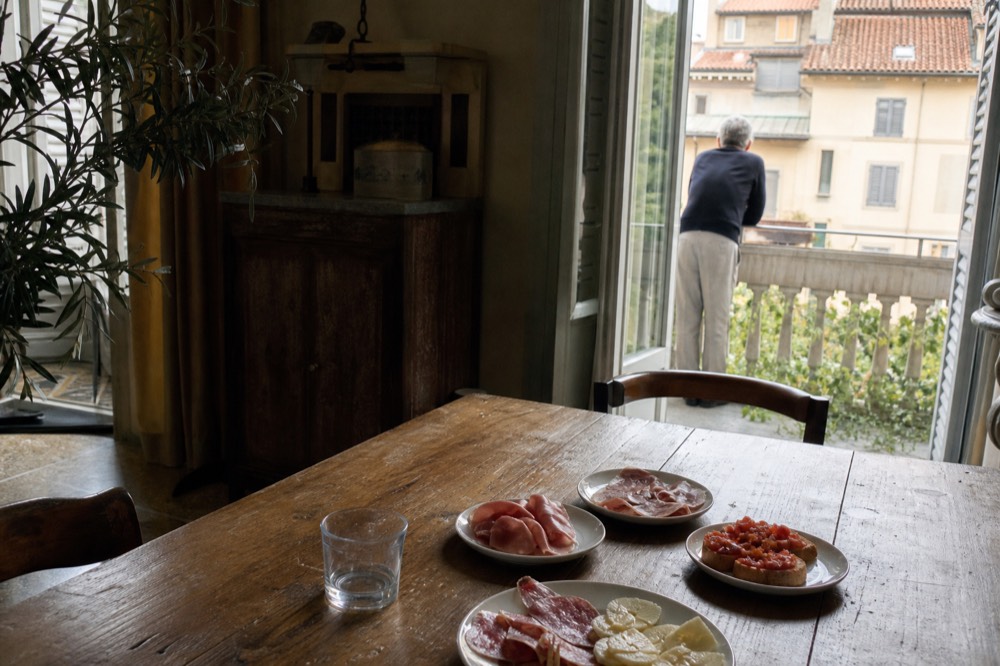
The comparison is honest only if you count everything. A walk is not a bargain against a EUR 30 lunch, and it is not trying to be. Its value is concentration: five or six stops, each one chosen, with the walking between them doing the work that a restaurant's atmosphere does. Against a full trattoria dinner at the top of the Brera ladder, the walk is cheaper or equal, and against three separate aperitivo stops with terraces, which is how many visitors assemble an evening here, it is often cheaper in practice.
The walk that defines this product in Brera starts at Piazza della Scala, works through the district, and finishes with the appetizer dinner. It runs 2 hours 30 minutes, is rated 4.9 across 320 reviews, costs from $93.47 per person, and carries free cancellation up to 24 hours before. The average booking window of 58 days ahead is the one caution: this is not a last-minute product in high season. If it fits your dates, it is the single most efficient way to eat the district.
Whichever way you assemble the evening, the three rules that save money in Brera are constant: eat the classics at lunch, drink the view rather than the second cocktail, and book anything with a fixed schedule as early as your dates allow. The district rewards planning more than any other in Milan, because the gap between its best and its most convenient tables is the widest in the city.
These are the questions diners ask most about eating in Brera, answered with the same figures used throughout this guide: costs, reservations, the newest openings, the movida curfew, the dishes worth ordering, and whether the district's touristy reputation is deserved.
Common Questions About Brera Restaurants
How Much Does Dinner In Brera Cost?
A casual osteria-format dinner runs EUR 30-50 per person, and a full trattoria dinner with wine runs EUR 50-90. Aperitivo in Brera's cocktail bars runs EUR 12-18 per drink, against a citywide average Aperol Spritz price of EUR 16.66 in the 2026 index. A guided appetizer-dinner walk costs from $93.47 per person.
Do I Need A Reservation For Brera Restaurants?
For dinner at the classic trattorie, yes, especially on weekends and in high season. Lunch and the pre-20:00 aperitivo hour are walk-in-friendly. Guided walks in the district show average booking windows of up to 58 days ahead, so book those early too.
What New Restaurants Opened In Brera Recently?
Sea Signora, a fish restaurant by Antonio Fresa, opened in September 2025; Formentini, a contemporary osteria, opened in early 2026; and Antica Gelateria Matteo opened its first Milan store at Via Mercato 30 in September 2026. The Sound of Love on Corso Garibaldi closed in spring 2026.
What Time Do Outdoor Tables Close In Brera?
Under the movida ordinance in force 11 June to 2 November 2026, outdoor table use is banned from 1:00 on weekdays and 2:00 at weekends and holidays. Retail alcohol sales stop at 22:00 and takeaway alcohol from midnight.
What Should I Eat In Brera?
The Milanese classics: risotto alla milanese, cotoletta, ossobuco and mondeghili, all on the Comune di Milano's De.Co. register. For the sweet end, gelato and pasticceria are the cheapest quality eating in the district.
Is Brera Too Touristy To Eat Well?
The tourist surface is real and expensive, but the district retains old trattorie that predate the boutiques and a wave of serious 2025-2026 openings. Eat the classics at lunch, avoid terrace-only rooms at dinner, and the district performs.
Taste Classic Italian Dishes On A Brera Food Walk
Have your travel date in mind? Check the selected experience before arranging the rest of your Milan food day.
2 hours 30 minutes · en, fr, it · There is a big statue of Leonardo Da Vinci in the middle of the square behind the trees. The meeting point is right next to the statue in the center of Piazza della Scala.
Scheduled departure dates. Availability and final price are confirmed on Viator.
None of these experiences matches that choice. Adjust your preference or reset to the general recommendation.
Compare Options And Plan Your Visit
- Neighbourhood food walk
- Choose this explicitly named experience format; current product restrictions still apply.
- History with wine tasting
- Choose this explicitly named experience format; current product restrictions still apply.
- Sweet shops and pastries
- Choose this explicitly named experience format; current product restrictions still apply.
Before Booking
Confirm specific dietary needs before booking
Compare complete party totals in the same currency, including any transport, meals or extras you would otherwise buy.