Eataly Milan: What To Buy, What To Skip, And Whether It Is Worth It
Eataly Milan occupies the former Smeraldo theatre at Piazza XXV Aprile 10, three floors of Italian food retail and dining open every day from 08:00 to 23:00. Here is what is genuinely good inside, what costs double the supermarket, and who should give it a pass.
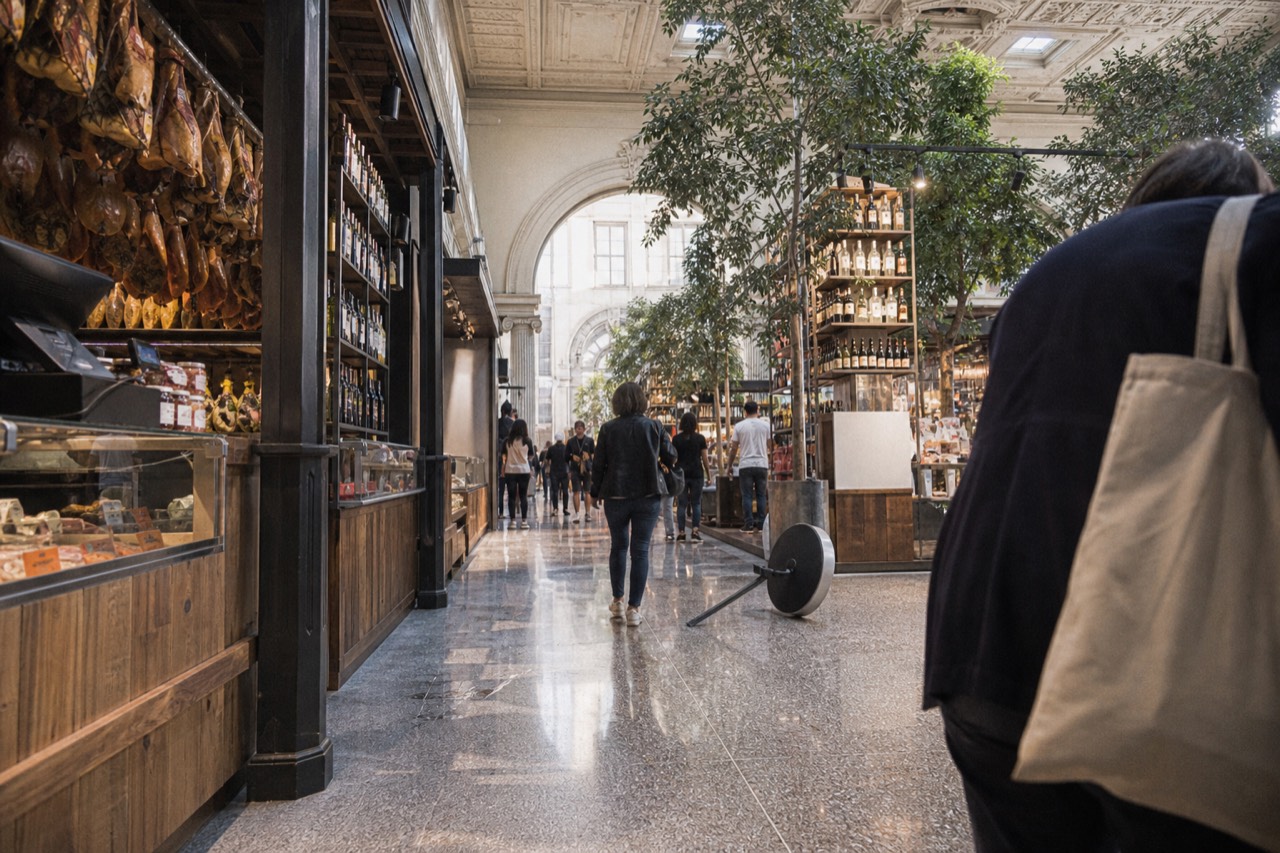
Short answer
Eataly Milano Smeraldo is at Piazza XXV Aprile 10, open Monday to Sunday 08:00-23:00. Entry is free; you pay for what you buy or eat. Cooking classes run from about 70 euro per person. It is a polished, pricier experience than a municipal market, best treated as a food hall and class venue rather than a grocery shop.
Eataly Milan did not set up shop in a purpose-built retail box. It moved into the Smeraldo, a former theatre in the Porta Nuova district, and kept enough of the building's bones that you feel it as you move between floors. The store sits at Piazza XXV Aprile 10, a short walk from Garibaldi station and the Corso Como strip, and it keeps longer hours than almost any other food address in the city: every day, 08:00 to 23:00, per Eataly's own store page.
That schedule matters more than it sounds. Peck, the historic delicatessen in the centre, closes on Sundays and only opens at 15:00 on Mondays. The municipal markets shut by early evening. Eataly is one of the two big food halls where a 21:00 arrival is not a problem, alongside Mercato Centrale, which explains a good part of its popularity with visitors whose sightseeing runs late.
This guide covers what the store actually is, the fair question of whether it is a tourist trap, how it compares with the two other big food destinations in the city, and a straight buy-and-skip list. Where prices appear, they come from Eataly's own published listings; nothing here is a guess.
What Is Eataly Milan, And Where Exactly Is It?
Eataly Milan is a three-floor Italian food market, restaurant hub and cooking school inside the converted Smeraldo theatre at Piazza XXV Aprile 10, 20121 Milano, open Monday to Sunday from 08:00 to 23:00. Entry costs nothing. You pay only for what you buy at the counters, eat at the restaurants, or learn in a class, with single-session cooking classes listed from 70 euro.
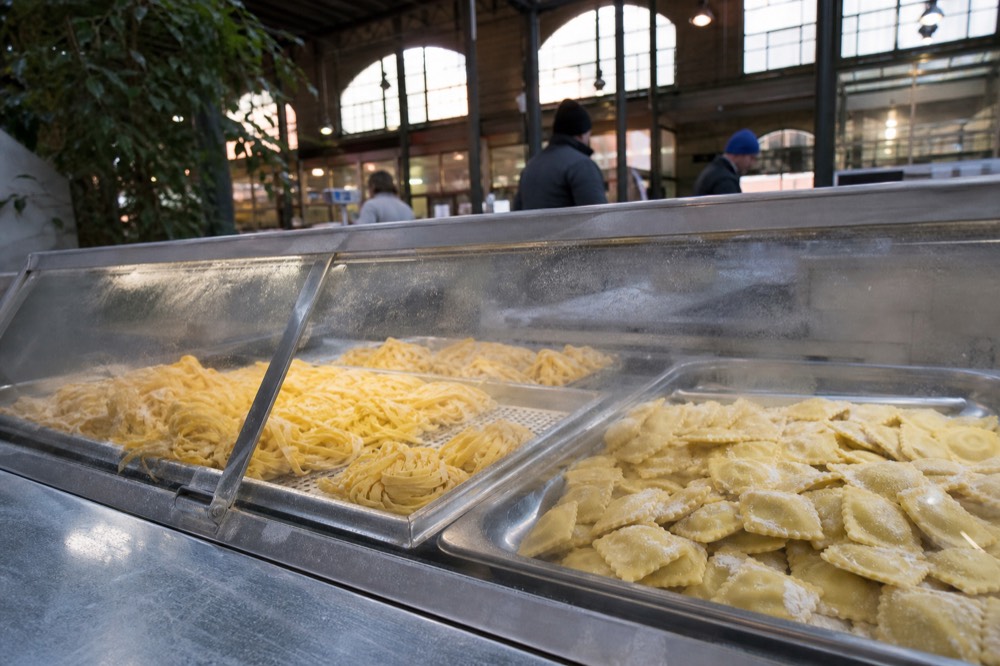
The Smeraldo opened as a cinema and variety theatre in the twentieth century and spent decades as one of the district's landmarks before closing as a venue. Eataly took the building over and split it across three levels: retail on the ground floors, dining concentrated upstairs, and a cooking school woven through the schedule. The autumn 2024 restyling consolidated the restaurants into a single Food & Pizza Theatre on the second floor, relocated the enoteca, expanded the cooking school, and added automatic checkouts at the rear, along with a Pasticceria Iginio Massari counter and the plant-based GIARDÍ offering, as Eataly's own store pages describe.
The ownership is worth knowing because it explains the pricing. Investindustrial holds 52 percent of Eataly and the Farinetti family stake was reduced to 22 percent by February 2025, so this is a private-equity-backed retail operation, not a family grocer. That is not a criticism, it is context: the store is run to a standard, staffed to a level and priced at a point that reflects corporate overheads.
Practically, the location is one of the easiest in Milan to reach. Piazza XXV Aprile sits at the Moscova and Garibaldi FS end of the M2 metro line, at the edge of the Isola and Porta Nuova districts. A single ATM ticket, 2.20 euro and valid 90 minutes, covers the trip from the Duomo area. If you are pairing the visit with sightseeing, note that the piazza itself hosts one of the city's regular street markets on certain days, and that the Corso Como and Gae Aulenti strips are both in the immediate neighbourhood.
Is Eataly A Tourist Trap?
Honestly: it is a tourist-heavy, premium-priced food hall that is not a trap, provided you go in knowing what it is and what it is not. The products are real and mostly well sourced, the prices run well above supermarket level, and the experience is engineered for visitors. If you want education, tastings and late hours, it earns its markup; if you want everyday Italian grocery prices, it does not.
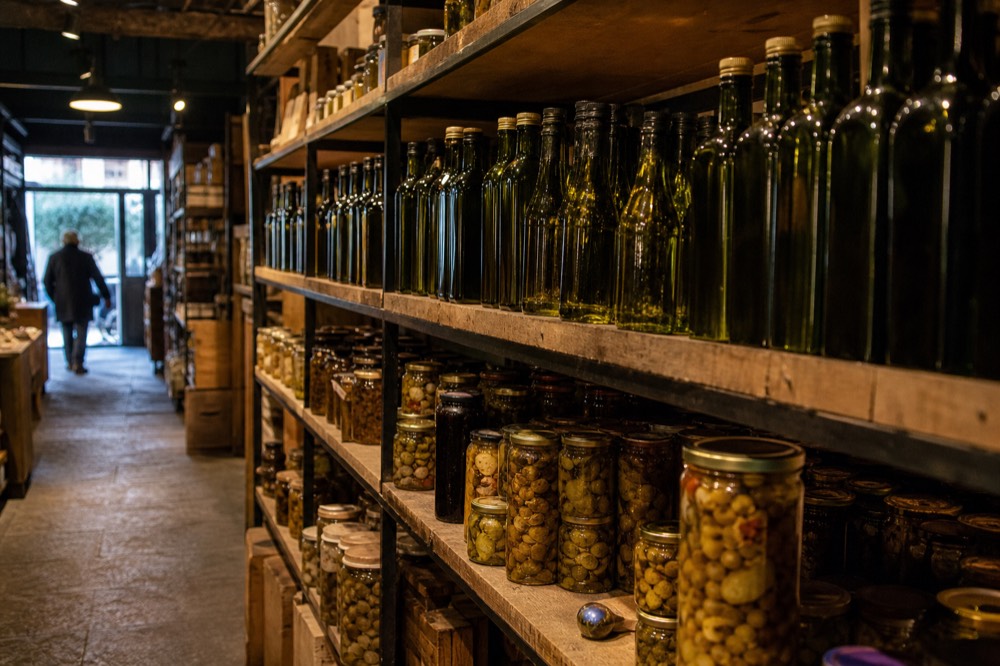
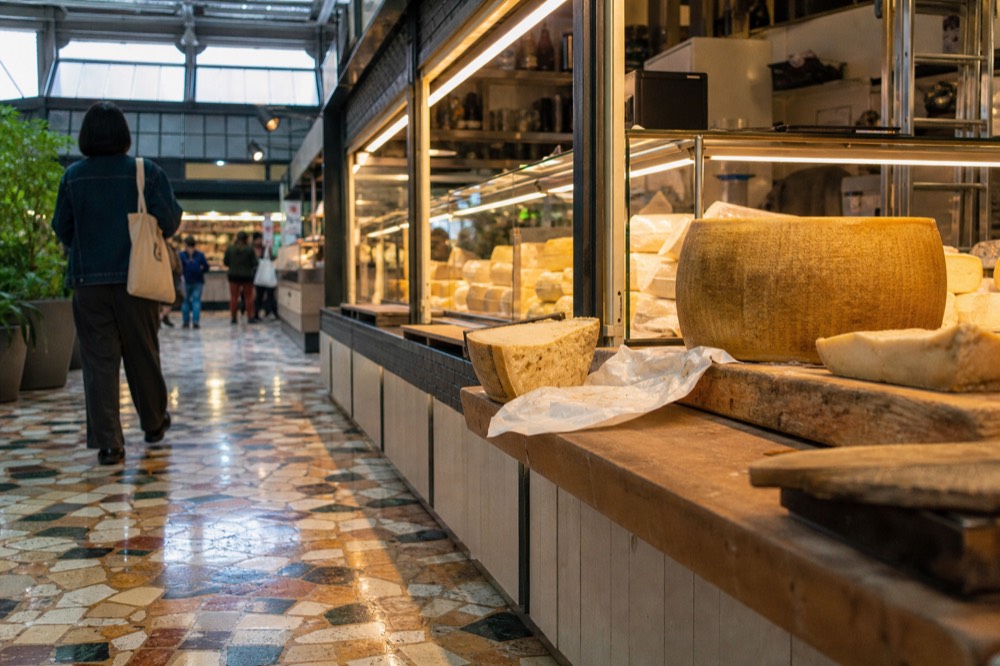
The accusation deserves a proper answer, not a defensive one. Start with what is genuinely good. The produce counters are stocked with named, traceable Italian products: DOP and IGP cheeses, regionally labelled salumi, fresh pasta made on site, and bread from the in-house bakery. The cooking school is a real operation with a published calendar, not a demonstration theatre. The hours are among the longest in the city. And the 2024 restyling put a Massari pastry counter under the same roof, which is a Milan institution by any measure.
Now the honest part. You will pay roughly double supermarket prices for pantry staples, and in some corners more than that. A jar of tomato sauce, a bag of pasta, a bottle of everyday olive oil: all carry a premium that buys the building, the staff ratio and the brand, not a better tomato. Anyone who tells you the groceries themselves are worth the markup has not shopped at a Milanese supermarket lately. The value at Eataly is in the things a supermarket cannot sell you: a sit-down meal at 22:00, a class, a tasting, a single stop that covers twelve regions.
Who should skip it? Shoppers on a budget, anyone with a kitchen and a nearby market, and visitors who resent crowds. On weekends the ground floor can feel like an airport concourse at peak hour. The honest alternative at each price point is straightforward, and the table and tour options below lay it out.
If your real goal is to taste Milan rather than to shop for it, a guided walk does more for the same money. The small-group tasting walk run by NO DIET CLUB covers multiple stops over 3 hours, from 74 dollars per person, rated 4.8 across 165 reviews, with free cancellation up to 24 hours, and it puts a guide between you and every counter instead of leaving you to guess.
The trio above spans the honest alternatives: a tasting walk for depth, a patisserie walk for sweets at a lower price point, and a classic street food walk for the cheapest guided option of the three. For more on the wider scene, our guide to Milan street food and where to find it covers the stalls and neighbourhoods that predate Eataly by a century.
How Does Eataly Compare With Mercato Centrale And Peck?
Eataly Smeraldo, Mercato Centrale and Peck serve three different needs: Eataly is the polished, late-open food hall with classes; Mercato Centrale is the cheaper, more casual street-food court by Centrale station; Peck is the historic, upmarket delicatessen in the centre with restricted hours. On price, Mercato Centrale is the budget option, Peck and Eataly sit at the top, and only Eataly opens at 08:00 and closes at 23:00 daily.
| Eataly Smeraldo | Mercato Centrale | Peck | |
|---|---|---|---|
| Address | Piazza XXV Aprile 10 | Via Sammartini, by Piazza IV Novembre | Via Spadari 9 |
| Hours | Every day 08:00-23:00 | Every day 06:30-23:00 | Tue-Sat 09:00-19:30; Mon 15:00-19:30; Sun closed |
| Format | Three-floor market, Food & Pizza Theatre, cooking school | Food hall with independent vendor counters in Centrale station | Historic delicatessen with Piccolo Peck bistrot on the first floor |
| Price level | Premium retail, mid-to-high dining | Budget to mid street food | Premium throughout |
| Best for | Late hours, classes, one-stop coverage | Cheap, fast, casual eating | Historic atmosphere, serious gastronomy shopping |
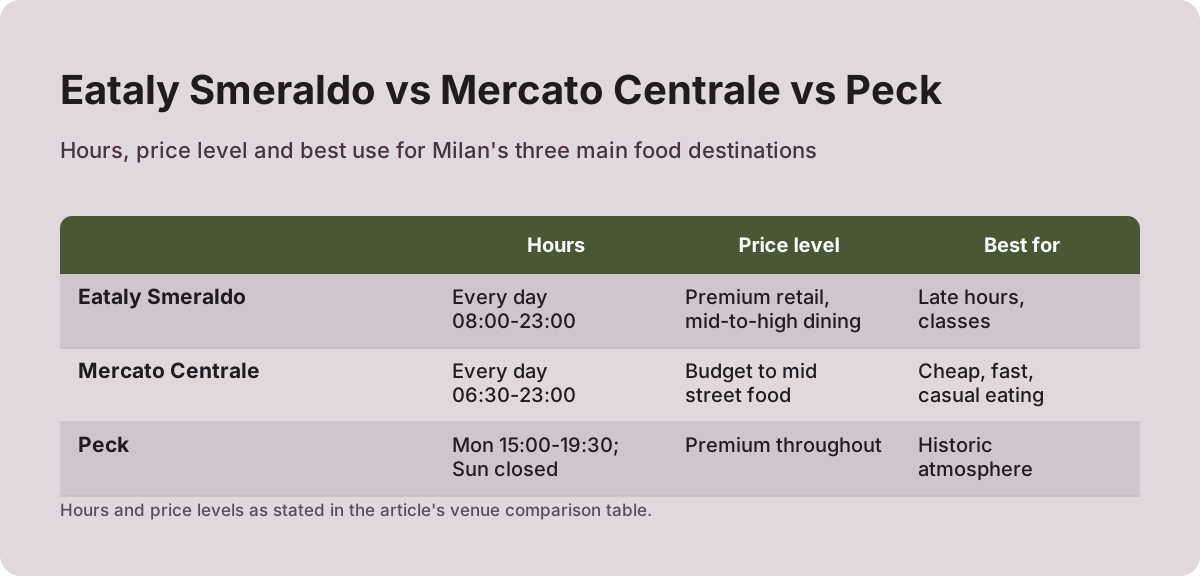
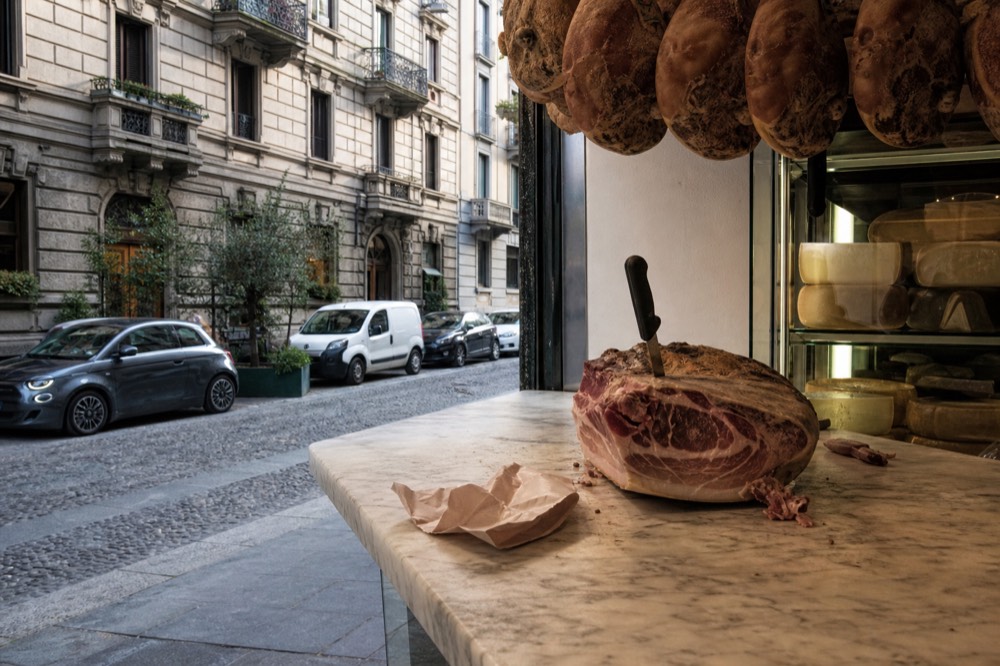
The comparison is not really about quality, it is about what each place is for. Peck, at Via Spadari 9 since 1912, is the deepest gastronomic shopping of the three and the only one with a century of history behind the counter; its own shops page prints Indro Montanelli's line, "Non riesco a pensare a Milano senza Peck". But its hours, per Peck's own site, rule out a Sunday or Monday-morning visit, and its prices are the highest of the three. Our full Peck and Milan food markets guide covers the historic covered markets in the same breath.
Mercato Centrale is the value play: 27 vendor counters inside Milano Centrale station, open 06:30 to 23:00 daily per the venue's own info page, with the Towns of Italy cooking school on the first floor. One caveat belongs in any honest comparison: in February 2026 an ATS inspection found a cockroach infestation and 17 of the 27 activities were suspended while the site closed for extraordinary cleaning and reopened progressively. Vendors have returned, but if you are choosing between the two food halls on care standards, that episode is part of the record. Our dedicated Mercato Centrale Milan guide goes deeper.
Eataly's edge is reliability and reach. One address covers shopping, a full meal, a pastry counter and a class calendar, with hours that absorb any itinerary. If your evening is free and your energy is high, the small-group tasting walk remains the way to convert that same budget into a guided experience: the NO DIET CLUB tour starts from 74 dollars, runs 3 hours, and carries a 4.8 rating across 165 reviews.
What Should You Buy At Eataly, And What Should You Skip?
Buy the things a supermarket cannot match: fresh pasta made on site, bread from the bakery, DOP cheeses cut to order, and anything you will eat or drink in Milan. Skip the shelf-stable pantry staples, branded merchandise and pre-packaged gift boxes, which carry the highest markups and travel badly. The working rule is simple: perishables and experiences yes, groceries and souvenirs no.
| Worth buying | Why | Skip | Why |
|---|---|---|---|
| Fresh pasta from the counters | Made on site, eaten the same day, no supermarket equivalent | Dry supermarket-brand pasta | Double the price for the same box |
| Bread and focaccia from the bakery | Baked in-house through the day | Bottled water and soft drinks | Standard retail at a premium |
| DOP and IGP cheeses, cut to order | Named, traceable, portioned to your trip | Pre-packaged cheese and salami gift boxes | Paying for packaging and cellophane |
| A sit-down meal in the Food & Pizza Theatre | Late hours, full service, one stop | Branded aprons, tote bags, cookware | Pure markup, heavy in luggage |
| A single pastry from the Massari counter | A named Milan institution at counter prices | Multi-item souvenir food hampers | You can assemble the same basket elsewhere for less |
The buy column works because those items are either made on site or portioned at a counter, where the premium buys freshness and expertise you can verify with your eyes. The skip column works because shelf-stable goods carry the same markup without any of that. If you want edible souvenirs to carry home, Peck's packaging and range are stronger; if you want cheap pantry staples, any Milanese supermarket will undercut Eataly by half.
One seasonal note for shoppers with a sweet tooth: artisan panettone in Milan ran above 50 euro per kilo in the 2025 season, with Marchesi and Gattullo both listed at 50 euro per kilo in a Resmart analysis reported by Food Affairs. Eataly's festive stock sits in that same premium band, so a Christmas-season panettone purchase there is a considered one, not a bargain. Our panettone in Milan guide covers the bakers behind the tradition.
What Is Eating At Eataly Actually Like?
Dining at Eataly Milan is concentrated in the Food & Pizza Theatre on the second floor after the autumn 2024 restyling, alongside the Massari pastry counter and the enoteca, with service through the day and into the late evening. Expect restaurant prices, not street-food prices, and expect the widest opening hours of any food destination in the city.
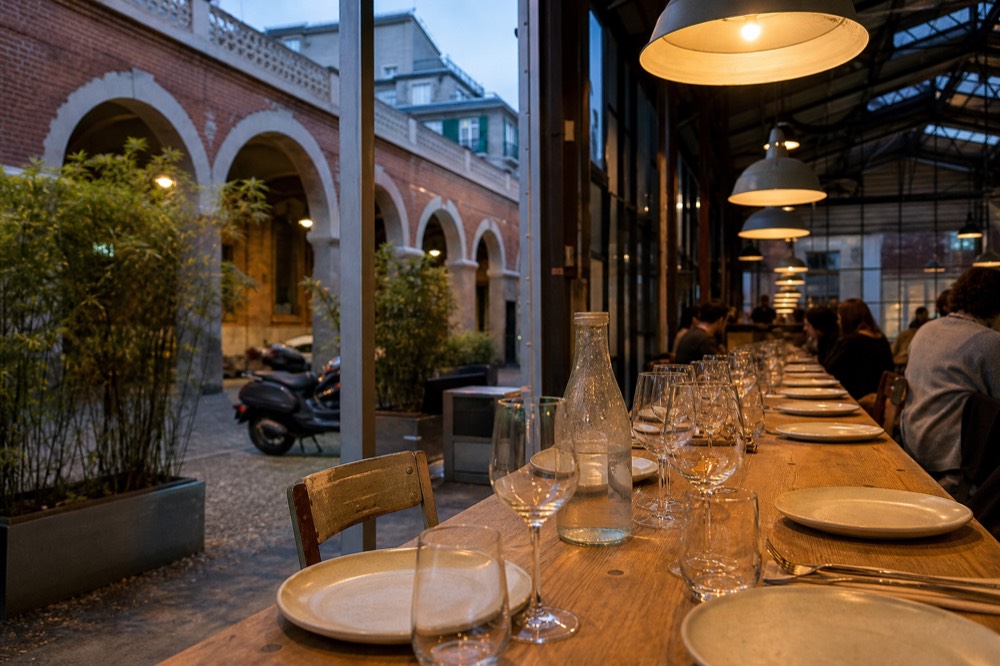
The restyling changed the dining logic of the building. Before it, restaurants were scattered across the floors; now the second floor holds the consolidated Food & Pizza Theatre, which Eataly's own store pages describe as the single dining destination, with the enoteca relocated alongside it. In practice that means one seated area with pizza from the wood oven, pasta dishes, and a wine list built to sell the bottles downstairs, plus the pastry counter for anything from a standing espresso to a full dessert.
Price-wise, set your expectations before you sit down. A pizza and a beer at the Food & Pizza Theatre will cost meaningfully more than the same meal at a neighbourhood pizzeria, in the way that airport and museum dining always does. What you are buying is the 23:00 closing time, the no-reservation friction and the certainty of the standard. For a late arrival in Milan with no dinner plan, that trade is often worth it. For a planned dinner, the city's trattorie win on price and character, and our where to eat in Milan guide maps the better-value neighbourhoods.
If sweets are the mission rather than a full meal, a dedicated patisserie walk is the sharper tool. The Sweet Delights patisserie tour by Do Eat Better runs 2 hours 30 minutes from 65.07 dollars per person, rated 4.8 across 59 reviews, and covers Milan's pastry tradition across multiple historic shops rather than one counter.
Are The Cooking Classes At Eataly Milan Worth It?
Eataly Smeraldo's cooking classes are among the better-value items in the building: single-session classes are listed at 70 euro each on Eataly's own course calendar, with some sessions at 75 to 90 euro and a couples ravioli class at 160 euro. That undercuts the Milan average of 162 dollars reported across 174 classes, and the school expanded in the 2024 restyling.
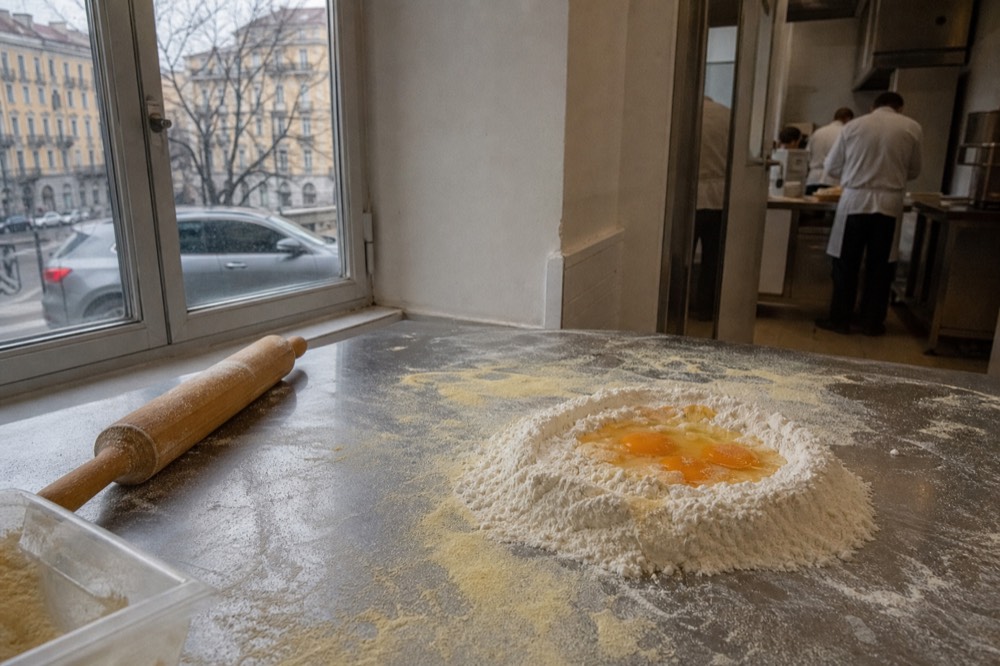
The course calendar on Eataly's site lists frequent one-meeting classes at 70 euro, with named examples including a fresh Puglian pasta session, a soup and minestre class, and a bread-making course, plus higher-priced specials. For context, a Budget Your Trip analysis of 174 Milan cooking classes put the average price at 162 dollars with a typical duration around 3 hours, so the Eataly school sits well below the city average while offering the most central calendar of any venue.
| Class option | Price | Format | Notes |
|---|---|---|---|
| Eataly Smeraldo single-meeting class | 70 euro | One session, about 3 hours | Listed on Eataly's own course calendar; school expanded in the 2024 restyling |
| Eataly Smeraldo higher-priced sessions | 75-90 euro | One session | Named specials on the same calendar |
| Eataly Smeraldo couples ravioli class | 160 euro | One session for two | Listed on Eataly's course pages |
| Milan citywide average | 162 dollars | Typical duration around 3 hours | Budget Your Trip analysis of 174 Milan classes |
| Cheapest classes elsewhere in Milan | From 39 dollars | 3 hours | Independent schools covered in our cooking classes guide |
The alternative worth weighing is the independent school at Mercato Centrale, where Towns of Italy runs its own classes inside the food hall, and the city's wider class scene, which our cooking classes in Milan guide compares in full. The roster there includes classes from 39 dollars per person, so if price is the only variable, Eataly is not the cheapest option in the city, only the most convenient one under a single roof with a restaurant and a market attached.
What the Eataly classes do particularly well is the combination: a class in the late afternoon, dinner in the Food & Pizza Theatre afterwards, shopping on the way out, all before the 23:00 close. For a visitor with one evening and a wish to cook something Milanese, that is a hard package to beat anywhere else in the city.
How Do You Plan A Visit Around Transport, Hours And Crowds?
Reach Eataly Smeraldo by metro to Moscova or Garibaldi FS on the M2 line, where a single 2.20 euro ticket, valid 90 minutes, covers the trip from the centre; go on a weekday morning or after 21:00 to avoid the worst crowds, and remember the store opens at 08:00 and closes at 23:00 every day, including Sundays, when Peck is closed.
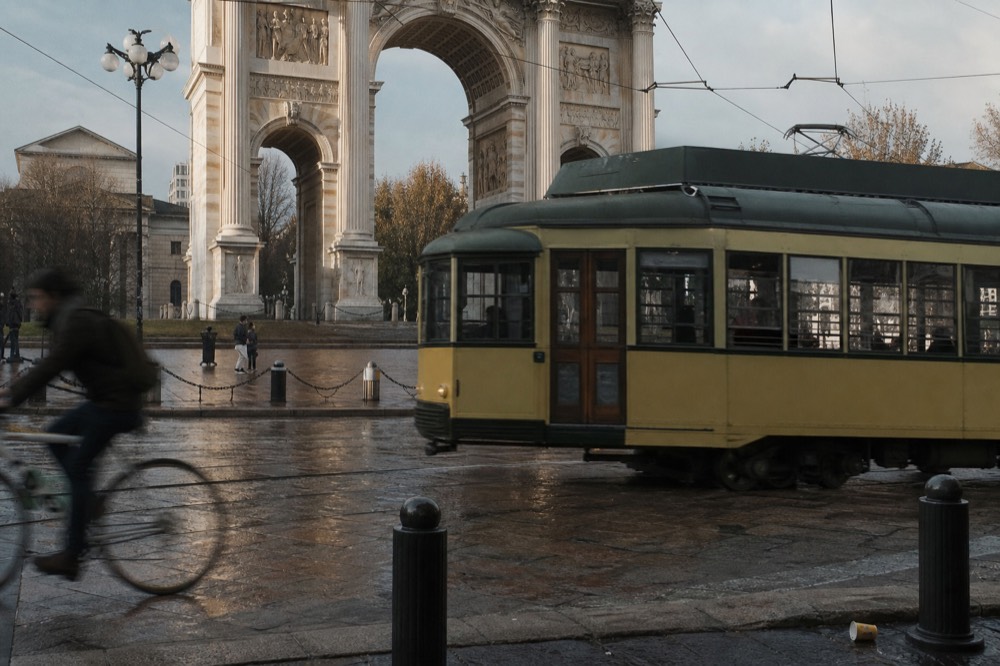
Transport is the easy part. Piazza XXV Aprile sits between the Moscova and Garibaldi FS metro stations on the M2 line, with trams and buses serving the piazza directly. ATM's own tariff document lists the single urban ticket at 2.20 euro for 90 minutes, the 24-hour ticket at 7.60 euro and the 3-day ticket at 15.50 euro, and contactless payment works at metro gates and on board trams and buses. Children under 14 travel free.
Timing is the part most visitors get wrong. Weekend afternoons are the store's busiest hours, with the ground floor at its most crowded between roughly 13:00 and 19:00 on Saturdays and Sundays. Weekday mornings from opening until about 12:00 are the calmest, and the final hour before the 23:00 close is quiet enough that the pastry counter feels like a neighbourhood bar. If your itinerary puts you in the Duomo area during the day, the pairing that works is sightseeing until late afternoon, metro to Moscova, and Eataly for dinner.
One planning note for the wider neighbourhood: the June-to-November 2026 movida ordinances cover the nearby Garibaldi, Isola and Gae Aulenti zones, banning retail alcohol sales from 22:00 and takeaway alcoholic drinks from midnight. That does not affect a seated dinner inside Eataly, but it does affect any plan to carry drinks out into the piazza afterwards.
For visitors who want the guided version of the whole experience, the classic street food walk remains the cheapest entry point on the roster: the 2.5-hour Pink Umbrella tour runs from 57 dollars per person, rated 4.7 across 934 reviews, meeting by the Church of San Maurizio, with free cancellation up to 24 hours.
Whatever you choose, book the guided options ahead rather than on the day: the listings show real demand, and the tasting walks in particular fill their small groups in advance. Every tour mentioned here carries free cancellation up to 24 hours, so holding a place costs nothing but the decision to cancel it. For the full picture of what the city's food scene offers beyond one food hall, start with Milan Food Tours and its guide to what to eat in Milan.
The questions below are the ones visitors ask most about Eataly Milan, answered with the same verified figures used throughout this guide: the daily 08:00-to-23:00 hours, the 70-euro class calendar, and the honest comparison with Mercato Centrale and Peck. Each answer stands alone, so you can jump straight to what you need.
Common Questions About Eataly Milan
Is Eataly A Tourist Trap?
It is tourist-heavy and premium-priced, but not a trap. The products are real and traceable, the cooking school is a genuine operation, and the 08:00-to-23:00 daily hours are among the longest in the city. The markup on shelf-stable groceries is roughly double supermarket prices, so buy fresh counter items and experiences, and skip the pantry staples and souvenirs.
How Much Time Should I Spend At Eataly Milan?
Count on 45 to 60 minutes for shopping alone, 90 minutes if you add a seated meal in the Food & Pizza Theatre, and about 3 hours if you book a cooking class. A weekday morning visit is the calmest; weekend afternoons are the most crowded.
Do I Need To Book Eataly Milan In Advance?
Not for shopping or the restaurants, which operate on a walk-in basis. Cooking classes do require booking, since the single-session groups are small; the calendar is on Eataly's own course pages and classes are listed from 70 euro.
Is Eataly Milan Open On Sundays?
Yes, every day from 08:00 to 23:00, including Sundays, which is exactly where it beats Peck: Peck at Via Spadari 9 is closed on Sundays and opens only at 15:00 on Mondays.
Is Eataly Or Mercato Centrale Better For A Cheap Meal?
Mercato Centrale, by Centrale station, is the clear budget option, with independent vendor counters open 06:30 to 23:00 daily. Eataly is the better choice for late seated dining, classes and one-stop shopping, at higher prices.
Can I Get To Eataly Milan By Metro?
Yes. The nearest stations are Moscova and Garibaldi FS on the M2 line, both a short walk from Piazza XXV Aprile 10. A single ATM ticket costs 2.20 euro and is valid for 90 minutes.
Private Porta Nuova Walking Tour And Food Tasting
Have your travel date in mind? Check the selected experience before arranging the rest of your Milan food day.
2.5 hours · de, en, es, fr, it · Next to the fountain
Scheduled departure dates. Availability and final price are confirmed on Viator.
None of these experiences matches that choice. Adjust your preference or reset to the general recommendation.
Compare Options And Plan Your Visit
- Eataly tasting with Porta Nuova walk
- Choose this explicitly named experience format; current product restrictions still apply.
- Cook inside Mercato Centrale
- Choose this explicitly named experience format; current product restrictions still apply.
- Shop a market and cook at home
- Choose this explicitly named experience format; current product restrictions still apply.
Before Booking
Travelers should have at least a moderate level of physical fitness Adult pricing applies to all travelers except infant (0-5) Please advise in case of food allergies or intolerances
Compare complete party totals in the same currency, including any transport, meals or extras you would otherwise buy.